Here's the thing nobody tells you when they're talking about quitting drinking. Alcohol doesn't just affect your liver or your morning mood. It dampens your entire nervous system. That means sensation, arousal, pleasure, orgasm. All of it gets quieter.
Most people don't notice because it happens slowly. One drink a night becomes two. Two becomes a pattern. Your baseline shifts so gradually that you stop realizing you're numb until you're not drinking anymore and suddenly feel everything again.
Alcohol is a central nervous system depressant. That fancy term means it literally slows down the signals traveling between your brain and your body. When you drink regularly, you're essentially turning down the volume on every sensation.
Your clitoris has roughly 8,000 nerve endings. When alcohol is in your system, those nerve endings are receiving messages from your brain at a slower speed. Pleasure signals don't travel as fast. Arousal builds more slowly. Orgasms feel muffled, if they happen at all.
But here's what's important. The nerve endings don't die. The pathways don't disappear. They're just waiting for the signal to speed back up.
Within days of quitting drinking, your nervous system begins to reset. Within a few weeks, sensation starts returning. By three months, most people report feeling things they hadn't felt in years. Your body hasn't changed. Your sensitivity has just been quietly waiting underneath.
I work with a lot of people navigating this transition, and the feedback is consistent. During the first week after quitting alcohol, sensation can feel almost overwhelming. A touch that would have felt gentle now feels intense. A vibration that would have been pleasant now feels strong.
This isn't a problem. It's your nervous system waking up.
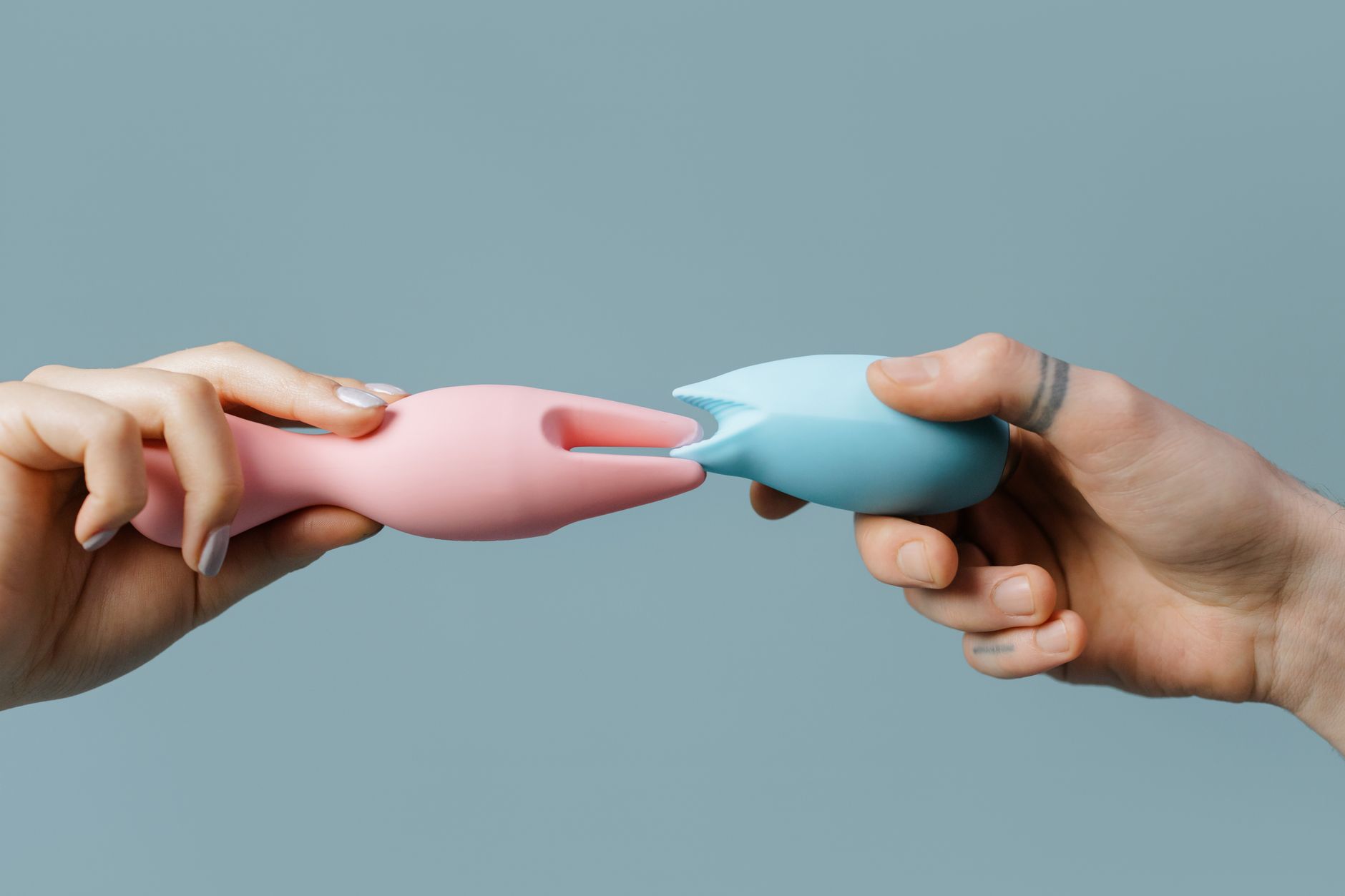
That's why a lemon clitoral vibrator works so differently for people in early sobriety. The suction mechanism doesn't rely on high-intensity vibration. It stimulates without bombarding. If you're someone who quit drinking and suddenly every sensation feels too much, the gentler approach of clitoral suction is often easier to work with than the direct buzz of a traditional vibrator.
Start on the lowest setting. Spend time just noticing what you feel. Your body is relearning its own pleasure map.
Arousal isn't just sensation. It's a chemical cascade. Your brain releases dopamine and norepinephrine. Your body floods with blood flow to the clitoris, labia, and vagina. Your muscles tense slightly. Your breathing shifts.
Alcohol interrupts this chain. It dulls dopamine signaling, which means desire itself feels quieter. You might not feel interested in sex at all. Or you feel interested mentally but your body doesn't respond. That mismatch is one of the most frustrating parts of drinking regularly.
When you quit, dopamine pathways start healing. Usually within 4-6 weeks, but it varies. Some people feel desire returning almost immediately. Others take longer. If you've been drinking heavily for years, your brain chemistry might need a few months to fully recalibrate.
Why does this matter for using a lemon sexual toy? Because early in sobriety, you might not feel much arousal at all. The lemon vibrator's gentleness means you don't have to wait for deep desire to build. You can start exploring with lower arousal levels and let sensation itself help build that desire. It works with where your body is, not against it.
Your pelvic floor muscles are intimately connected to arousal. When you're aroused, they tense slightly and then release rhythmically during orgasm. When you're chronically anxious or stressed, they stay tense.
Alcohol users often develop a particular pattern. They drink to relax, so the pelvic floor releases. But then chronic drinking causes chronic tension in other ways. The nervous system gets confused. Some people report that their pelvic floor becomes very tight. Others notice it's become very loose and unresponsive.
When you quit, your pelvic floor also has to reset. If it's been too tight, it might take weeks for it to learn to relax fully. If it's been too loose, it might take longer for it to regain tone.
That's why recovering from pelvic floor dysfunction and quitting alcohol sometimes happen together. The gentler approach of a lemon clitoral vibrator can help you reconnect with your pelvic floor without triggering tension or overwhelming sensation.
Honestly? The timeline varies wildly. Someone who drank socially might feel sensory changes within days. Someone who drank heavily for decades might need months.
Here's what the research and my clinical experience suggest for most people:
Week 1-2: Sensation might feel weird or intense. Arousal is still muted. Give yourself permission to just notice without expecting pleasure.
Week 3-6: Dopamine begins recovering. You might feel interest in sex again. But your body's responsiveness lags behind your brain's interest.
Week 7-12: Sensation and arousal start catching up with each other. This is when a lot of people report using a lemon vibrator and thinking "oh, that's what this is supposed to feel like."
Month 4+: Most people report significant shifts. Better orgasms. Faster arousal. Sensation that feels alive again.
But here's the thing. You don't have to wait until month 4 to explore. Start gentle. Use a lemon clitoral vibrator on low. Let your body remember how to respond.
People quit drinking for different reasons. Some hit a bottom. Some get tired of the way alcohol makes them feel. Some realize it's affecting their relationships or work.
Whatever the reason, there's often a complicated feeling underneath. Guilt, maybe. Grief about what you're giving up, even if it was harming you. Fear that you can't have pleasure without it.
That emotional stuff lives in your nervous system too. Your body holds that tension. When you're trying to access pleasure early in sobriety, you're not just dealing with neurochemistry. You're dealing with feelings about your own recovery.
Being gentle with yourself matters more than any tool. A lemon sexual toy is wonderful. But it works best when you're also being kind to yourself about being in this transition.
If you have a partner, talking about this helps. Explain that your body is literally recalibrating. That sometimes sensation will feel like too much. That you're not broken. You're just healing.
The biggest changes happen around the 8-12 week mark for most people. That's when your nervous system has done enough recalibrating that sensation and arousal really start syncing up again.
A lot of people tell me that using a lemon clitoral vibrator around this time is when it clicks. Suddenly the sensation makes sense. Your body knows what to do with it. Orgasms feel fuller.
If you're earlier in sobriety and not feeling much yet, that's fine. Keep exploring gently. You're not broken. You're not doing it wrong. Your body is just still waking up.
If you have a partner, early sobriety can feel complicated sexually. Your partner might be relieved that you're getting sober. But they might also feel confused if your desire doesn't immediately come roaring back.
You're both adjusting. Your body is recalibrating. Your nervous system is learning to respond to genuine sensation instead of alcohol-dampened sensation.
Using a lemon clitoral vibrator together can actually be a sweet way to relearn each other's bodies. It's lower pressure than intercourse. It lets you both focus on sensation rather than performance. Exploring partnered pleasure with a clitoral vibrator can help you rebuild intimacy while your nervous system is healing.
Most people feel noticeable changes within 3-6 weeks, with bigger shifts around 8-12 weeks. If you've been drinking heavily for years, it might take 3-6 months for complete recovery. Your nervous system heals gradually, and there's no universal timeline.
It might feel more intense than you expect, especially in the first 2-3 weeks of sobriety. Start on the lowest setting and take your time. That overwhelming sensation is actually your body waking up, not something wrong.
Absolutely. In fact, gentle exploration can be really helpful as your nervous system resets. There's no rule that says you have to wait. Just go slow and notice what you feel without pressure.
Alcohol slows down the nerve signals that trigger orgasm and dampens the dopamine involved in desire. It's not psychological. It's neurological. Once you quit, those pathways start recovering, usually within weeks.
Yes. If you're in a relationship, your partner might notice your body responding differently. That's healthy. Talk about it. Explain that your nervous system is healing. Ask for patience as your arousal and sensation recalibrate.
If you've been sober for several months and sensation still feels muted, it's worth checking in with your doctor. Sometimes medication, hormone levels, or other health factors play a role. But most people do feel significant changes within 3-6 months of quitting.
Quitting drinking is brave. Your body is healing. And pleasure isn't gone. It's just been waiting quietly underneath. Give yourself time, be gentle, and let your nervous system find its way back to sensation.
If you want to talk through any of this, reach out. I'm here to help you navigate whatever's coming next.