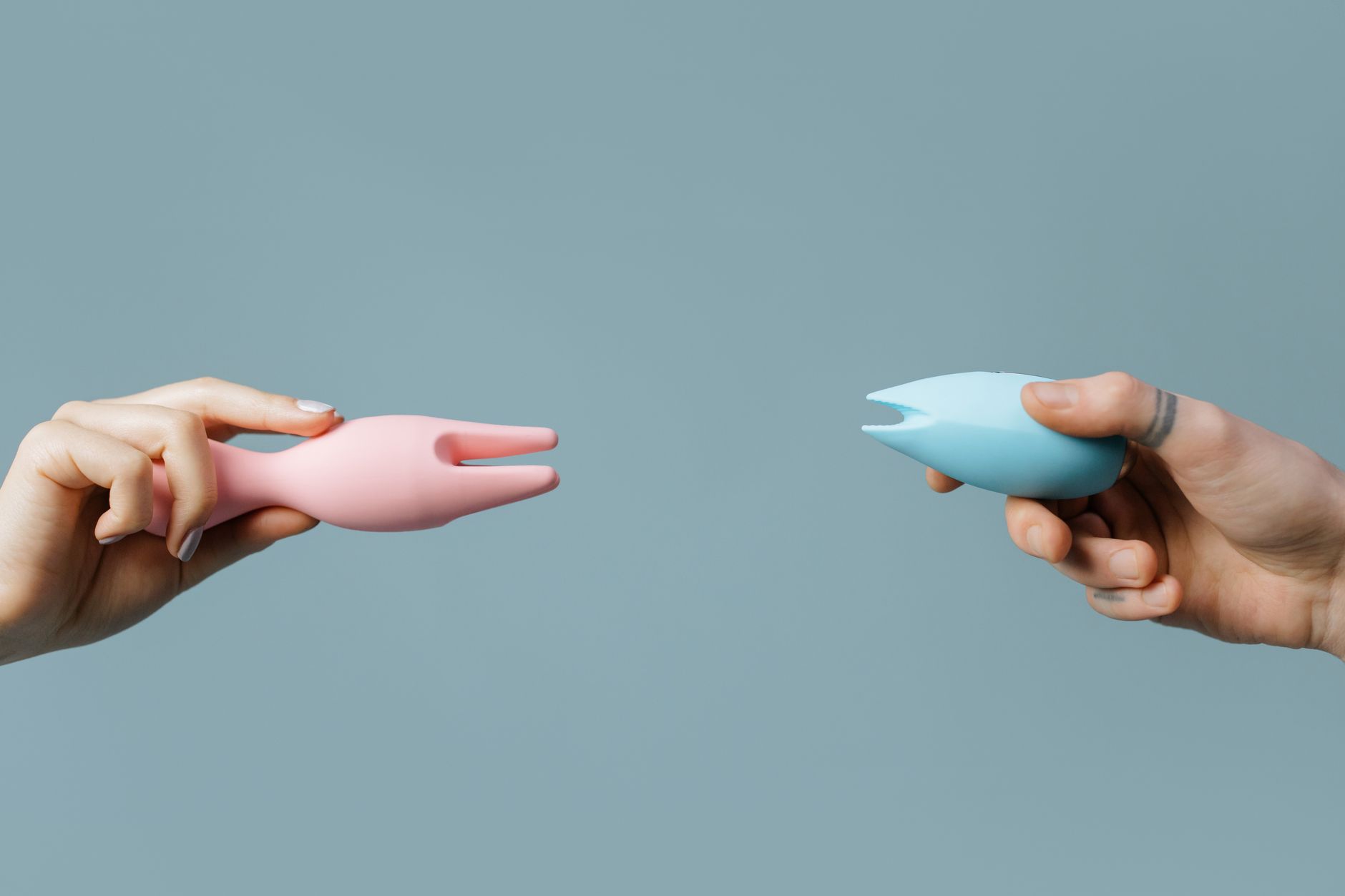
How to Use Lemon Vibrators When Recovering From Pelvic Floor Dysfunction
Pelvic floor dysfunction doesn't end your sex life. Here's exactly how to rebuild sensation safely, when it's actually time to start, and why the right tool makes all the difference.
Pelvic floor dysfunction lands hard. Whether you're dealing with hypertonia (muscles too tight), hypotonia (muscles too weak), or that confusing in-between space, the first thing your brain does is assume pleasure is off the table for a while. Honestly though, that's only true if you approach recovery the wrong way.
I've worked with hundreds of clients rebuilding their intimate lives after pelvic floor issues, and the ones who recover best aren't the ones who wait passively. They're the ones who understand what their pelvic floor actually does, what it doesn't, and how to use tools like the Lem to retrain their nervous system without pushing too hard. That's what we're covering here.
Your pelvic floor is a sling of muscles that supports your bladder, bowel, and reproductive organs. It also plays a surprisingly huge role in sexual response and sensation. When those muscles get tight (from trauma, childbirth, chronic tension, or repetitive strain), or weak (from childbirth, aging, or nerve damage), your whole sexual response gets hijacked.
Hypertonic dysfunction (the tight kind) is weirdly common and often gets misdiagnosed as low desire or pain. What's actually happening is your nervous system has locked those muscles in a protective grip. Hypotonic dysfunction is the flip side. Muscles are underactive, which means less sensation, weaker orgasms, or difficulty with penetration.
Here's the thing: neither type means you can't have pleasure. It means you can't have it the same way you did before. And relearning often leads somewhere better.
Your pelvic floor isn't just a support structure. It's densely innervated with nerve endings that fire during arousal, orgasm, and even baseline sexual sensation. When those muscles are dysfunctional, the chain of signals gets interrupted. You might feel numbness, reduced ability to orgasm, or pain with any kind of stimulation.
This is why typical vibrators can feel overwhelming or ineffective when you're recovering. They rely on direct intensity to trigger sensation. Your nervous system is already protecting against sensation, so forcing more stimulation often backfires. Lemon vibrators work differently because they use suction and pulsing rather than raw vibration frequency. That distinction matters enormously for pelvic floor recovery.
Don't use pleasure as a test. That's the mistake most people make. You're not ready when you think you should be. You're ready when a pelvic floor physical therapist gives you the green light, and typically that happens after you've done some initial pelvic floor retraining work.
If you have hypertonic dysfunction, you'll likely spend 4-12 weeks learning to relax and lengthen those muscles before adding any stimulation. A pelvic floor PT will teach you breathing patterns, stretches, and sometimes internal release techniques. Once you can voluntarily relax those muscles, you're ready to gently reintroduce sensation.
If you have hypotonic dysfunction, you might start strengthening work simultaneously with gentle sensation, because the goal is to wake up nerve pathways that have gone dormant. Your PT will guide the timeline.
The worst thing you can do is jump to pleasure as a shortcut through recovery. Your nervous system will shut down faster than you opened it up.
The Lem and similar suction-based toys are genuinely different for pelvic floor recovery because they don't demand much from the muscles. They create rhythmic stimulation that can help retrain your nervous system to recognize pleasure signals without requiring the muscles to perform.
When you're recovering, you're often in a catch-22: the muscles are tight because they're protecting against sensation, but you need gentle sensation to teach them they're safe. Suction works because it feels diffuse and indirect. It doesn't hit the same nerve pathways as a standard vibrator. For hypertonic clients, that's the difference between "yes, this is manageable" and "my whole system just locked up."
Start on the lowest setting. I mean lowest. Pattern 1, minimum pulse. The goal isn't pleasure yet. It's reacquaintance. You're telling your nervous system "this is okay, we can handle softness." That conversation takes time.
You need 20-30 minutes alone, without rushing. Your nervous system is in protection mode. It won't downshift in five minutes or around distractions. Set a timer if you need to, light a candle, turn your phone off. The signal you're sending is "we have time, we're safe."
Water-based lube is mandatory. Tissues often get more sensitive during recovery because the muscles aren't stabilizing them the way they normally do. Generosity with lube removes friction as a variable, so you're only tracking sensation from the suction itself.
This sounds trivial and it's not. Most people hold their breath during stimulation, which signals protective tension. Practice breathing in for four counts, out for six. Long exhales activate your parasympathetic nervous system (the "rest and digest" branch) and tell your pelvic floor it's safe to release. Do this during solo exploration and especially with a partner.
Recovery means short sessions. Fifteen minutes is plenty. You're not training for endurance. You're rewiring the connection between your clitoris and your brain. Under-stimulation is actually better than over-stimulation right now. You want to end the session thinking "that was nice, I could do more" rather than "my muscles are sore." The second one means you pushed too far.
If you have a partner, this is a conversation, not a solo project. And I mean a real one, not a "don't worry, I'm fine" conversation.
Most partners either over-accommodate (treating you like broken glass) or under-accommodate (ignoring the reality that things are different). Neither helps. What helps is saying "my body is healing, and what works right now looks different. I'm going to explore with a tool designed for sensitive recovery. I'd love for you to be near me, but not directing the experience."
If penetration was part of your intimate life before, it probably can't happen during early recovery. That's not forever. It's just right now. Partners often interpret this as rejection when it's actually self-protection. Naming it clearly cuts through that confusion.
Some couples find that your solo exploration with a lemon clitoral vibrator actually opens doors for partnered play later, because you've rebuilt confidence in sensation and your partner sees you reclaiming pleasure. That's worth the patience.
During recovery, you might feel things that seem wrong. Sharp sensations. Numbness even with stimulation. Muscle spasms. Sudden fatigue. These aren't failure. They're your nervous system reporting on what it's experiencing.
Sharp pain means stop. That's a boundary signal from your body and it's legitimate. Numbness is normal early in recovery. Your nerve pathways are waking up and they take time. Spasms during stimulation often mean you're pushing intensity too fast, or you're not breathing through it. Back off the setting and return to longer exhales.
Fatigue after a session is common. You're doing neurological work, not just physical stimulation. Rest afterward without judgment.
Here's the neurology part that changes how people approach recovery. Your nervous system has learned that the pelvic floor = danger. Retraining that takes repetition, not intensity. You need low-dose, consistent, positive experiences over weeks to override the protective pattern.
Every time you stimulate gently and your body responds positively without pain, you're writing a new neural pathway. Every time you push too hard and pain shows up, you're reinforcing the old one. The race isn't won by the person who jumps to full sensation fastest. It's won by the person who builds a reliable, calm experience and lets that expand naturally.
If sensation doesn't improve after 3-4 months of consistent, patient exploration, talk to your pelvic floor PT. Sometimes the muscles are ready but the nervous system needs additional support like somatic therapy or pelvic floor biofeedback. Sometimes there's an underlying condition that needs different intervention. A PT can feel what's happening internally and make adjustments you can't make alone.
If you're using a lemon suction toy and you're experiencing pain, don't just accept it. That's information. Share it with your PT. They might need to adjust your protocol or recommend a different style of stimulation temporarily.
Full pelvic floor recovery typically takes 3-6 months if you're consistent and patient. Some people see improvement faster. Some take longer. The variation depends on severity, how long dysfunction lasted before treatment, whether trauma is involved, and honestly how much rest you're getting. Recovery doesn't happen in isolation.
But here's what matters: within 6-8 weeks of starting gentle stimulation work, most people report noticeable improvement in sensation and capacity for pleasure. You don't have to wait until you're "fully recovered" to start feeling better. The lemon clitoral vibrators help bridge that middle space where your body is healing but your mind is ready to move forward.
It depends on the kind of pain. Sharp, shooting pain is a no. Muscle soreness or tension is a maybe, but typically too early. Work with your pelvic floor PT to figure out where you actually are in recovery. If your PT gives you the go-ahead for gentle stimulation, start with the Lem on the lowest setting and use it as a tool to help muscles relax rather than to chase pleasure. Some clients find that gentle, rhythmic suction actually helps hypertonic muscles release tension. That's different from using it for orgasm.
That's normal in early recovery. Numbness is your nervous system being protective. Keep going gently. Sensation returns with repetition, not intensity. If numbness persists beyond 3-4 months of consistent, patient work, mention it to your PT. They might recommend additional modalities like dry needling or pelvic floor biofeedback to wake up nerve pathways faster.
Start alone. You need to understand what your body can do without the variable of someone else's presence or expectations. Once you're consistently getting positive responses solo, you can bring a partner in if you want to. But that's optional. Many people find solo recovery is cleaner and more informative.
Three to four times a week is plenty. You're not building endurance. You're rewiring. Consistency matters more than frequency. More than once a day typically causes fatigue or soreness, which isn't helpful. Let your nervous system integrate the experience between sessions.
That's a communication problem, not a body problem. Pelvic floor recovery isn't about willpower. It's about neurology and tissue healing. Partner education helps. Share this article with them. Explain that rushing recovery actually makes it longer. Explain that your exploration with the lemon suction toy is part of healing, not avoidance. If your partner is unwilling to respect that timeline, that's relationship friction worth addressing separately, maybe with a couples therapist. Recovery is harder when you're managing someone else's impatience.
Yes, it can, if you return to the behaviors or stress patterns that caused it originally. But once you've recovered once, you know how to do it again and you recognize earlier signals. Many people find that staying aware of their pelvic floor tension (especially during stress) and doing maintenance stretches or breathing work prevents full relapse. Think of it like your back. You can reinjure it, but you probably won't ignore pain signals the same way a second time.
Here's what I tell clients when they're in the thick of pelvic floor recovery and frustrated: on the other side of this is often better than before. Not because the dysfunction was good. But because the recovery process teaches you how your body actually works. You learn your nervous system's real language instead of assuming it. You learn what you actually like instead of defaulting to old patterns. You learn to ask for what works instead of accepting what's expected.
That's worth the patience. The Lem and lemon clitoral vibrators aren't shortcuts. They're partners in that conversation with your body. Use them gently, trust the timeline, and let yourself be surprised by what feels good on the other side of healing.
If you have questions about your specific recovery or whether a lemon vibrator is right for where you are right now, reach out to our team. We talk to people through pelvic floor recovery regularly and we can point you toward the right resource or tool.