Let's talk about what actually happens to orgasms over time
Your orgasms don't vanish. They just sometimes feel like they're playing hide and seek, and you're always the one searching. That's not a character flaw or a sign that your body is broken. It's a real physiological shift that happens to most people at some point, and there's solid science explaining why.
The good news? You can absolutely rebuild that sensation with the right tools and approach.
Why pleasure peaks get quieter as we age
Here's the physiology without the textbook language. As you move through your thirties, forties, and beyond, several things happen simultaneously. Blood flow patterns shift. Nerve sensitivity changes subtly. Hormones fluctuate differently than they did in your twenties. Stress accumulates in your nervous system like plaque in an artery. Your pelvic floor either gets tighter from tension or looser from disuse, both of which dull sensation.
Add to that the cumulative weight of routine. After years or even months with the same partner or even solo, your nervous system gets bored. Not emotionally bored, but neurologically bored. Your brain has seen this movie before. The dopamine hit gets smaller. The arousal takes longer to build.
All of that combines into one experience: orgasms that feel distant, weaker, or sometimes just nowhere in sight.
The stress factor people rarely discuss
Most conversations about declining orgasm intensity focus on hormones or age alone. What they miss is stress. Chronic stress literally deadens your nervous system's ability to fire on all cylinders. When your vagus nerve is constantly pumping cortisol to manage work pressure, relationship friction, family obligations, or just the low-level hum of modern life, your clitoris gets the short end of the stick.
Your body prioritizes survival signals over pleasure signals. It's a hierarchy thing. If your nervous system thinks you're in danger (even low-grade, barely noticed danger), it dampens sensation in the genitals. That's not malfunction. That's ancient wiring.
When you add physical tension on top of that, things get quieter still. Many of us hold stress in the pelvic floor without even knowing it. That tightness literally restricts blood flow to the clitoris, which means less engorgement, less sensitivity, and flatter sensation when you finally get there.
Why lemon clitoral vibrators work differently when reaching peaks feels hard
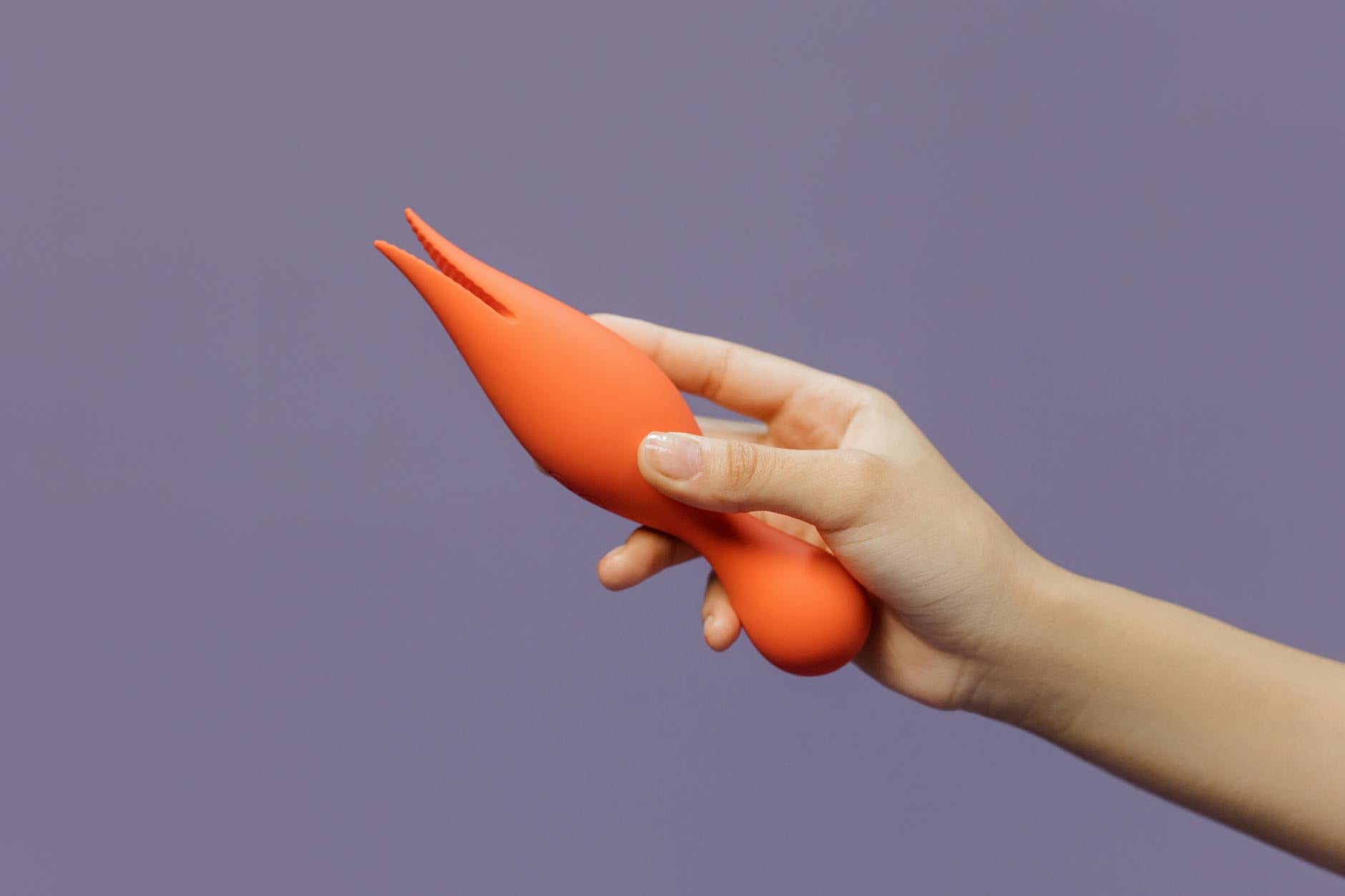
Here's where the lemon vibrator enters the picture. A tool like the Lemon's suction technology doesn't require you to have a perfectly reactive nervous system or ideal hormonal balance. It works around those barriers.
Instead of depending on your own arousal ramp to build sensation, suction creates direct stimulation that bypasses the usual escalation. Think of it as turning up the volume without needing the intro to be perfect. For people whose arousal takes longer to build or whose pleasure feels muted, that's genuinely useful.
The suction also works differently than vibration alone. It creates rhythmic pressure and release, which can actually train your nervous system back into responsiveness. Over multiple sessions, that repeated stimulation helps recalibrate sensitivity. You're essentially reminding your body what intensity feels like.
Building back intensity: a practical framework
If you want to use lemon vibrators strategically to rebuild pleasure peaks, here's what works.
Start with exploration, not performance. Spend a few sessions just noticing. Use the Lemon on different intensity levels, different durations, different patterns. Your goal isn't orgasm yet. It's mapping what actually creates sensation right now. This takes pressure off.
Lower initial intensity on purpose. Begin at level 1 or 2, even if it feels barely noticeable. Your nervous system needs to relearn what subtle feels like before it can feel dramatic again. Patience here matters. Spend 10-15 minutes at lower levels before increasing.
Add pelvic floor awareness. Before you even reach for the vibrator, spend two minutes deliberately relaxing your pelvic floor. Breathe in through your nose, exhale through your mouth. Feel the floor of your pelvis soften. That single step changes everything about blood flow and sensation.
Work with arousal time, not against it. If you're noticing that pleasure takes longer to build now, stop fighting that. Budget 20-30 minutes of solo time or partnered time before introducing the Lemon. Let your body warm up. Fantasize, touch yourself, move around. Then add the vibrator. You're stacking sensations, not replacing them.
Track what shifts sensation. Does the Lemon feel more intense after a workout? After less sleep or more sleep? After meditation? After coffee? After you've had a conversation that left you relaxed versus stressed? Start noticing patterns. Your pleasure isn't random. It responds to your nervous system state.
The partner conversation (if that applies)
If you share pleasure with a partner and you're noticing your orgasms feel quieter, the worst move is to assume your partner will interpret it as lack of interest. Many people do. Say something early and specific: "My body's changing how it responds to sensation. I want to try some new approaches together."
Then bring the Lemon into that conversation. It's not a rejection of them. It's a tool for both of you. Many partners find that introducing a clitoral vibrator actually increases their own pleasure, because they're no longer carrying the pressure of being the sole source of stimulation. How to Use Lemon Clitoral Vibrators When Partners Have Different Pleasure Preferences covers this in much more depth.
Stress management is half the work
Here's the hard truth: the Lemon will help, but it's not a complete fix if your nervous system is flooded. Using a clitoral vibrator while you're in a constant state of low-grade panic is like trying to enjoy music while someone's banging on the door.
So address stress in parallel. That might mean actual meditation, not the Instagram kind. It might mean therapy. It might mean changing how much you work, how much you scroll, how much you say yes to. It might mean having a conversation with your partner about what's draining you. The point is: your nervous system needs permission to relax for your body to feel pleasure fully again.
When to check in with a professional
If you've been consistently having trouble reaching orgasm for more than a few months, especially if it's a sudden change, talk to a gynecologist or sex therapist. Sometimes flattened pleasure signals a thyroid issue, medication side effect, or other treatable condition. Don't assume age is the culprit without ruling out other factors.
If pain appears, definitely seek help. That's not part of aging. That's your body's signal that something needs attention.
The real story about pleasure over time
Orgasms don't disappear. They evolve. Sometimes they feel quieter for a season. Sometimes they come roaring back stronger than before, especially once you stop panicking about them. The Lemon is one really useful tool for that recalibration. So is addressing stress, rebuilding pelvic floor awareness, and giving yourself permission to need something different now than you did five or ten years ago. Your pleasure deserves that attention.
People also ask
Can lemon vibrators actually make orgasms feel stronger, or just easier to reach?
Both, actually. Regular use of a tool like the Lemon seems to recalibrate sensitivity over time. Many people report that their orgasms feel more intense after a few weeks of consistent use. That might be partly neurological (your nervous system relearning responsiveness) and partly practical (you're getting better arousal and less tension). The stronger feeling often comes from the easier reaching part, if that makes sense. Less struggle, more sensation.
How long does it usually take to notice a difference in orgasm intensity?
Most people report noticing something shift within 3-5 sessions of consistent exploration. But real, lasting changes usually take a few weeks of regular use. This isn't like flipping a switch. It's more like gradually turning up the volume. If you're not noticing anything after three weeks of regular use, that's worth troubleshooting or checking in with someone who specializes in sexual health.
Is it normal for orgasms to feel weaker in your thirties or forties?
Yes, for many people. Age alone doesn't always cause it, but combined with stress, hormonal shifts, relationship patterns, or just nervous system fatigue, it's extremely common. That doesn't mean it's permanent or irreversible. It usually means something has shifted and your approach needs to shift with it. That's not a problem. That's just information.
Can I use lemon vibrators if I'm on antidepressants or other medications that affect sensation?
Definitely yes. In fact, many people on SSRIs or other medications that dull sensation find that clitoral vibrators like the Lemon help them access orgasm more easily than they would otherwise. The direct stimulation bypasses some of the dampening effect. That said, talk to your prescriber if sensation changes feel concerning. Sometimes tweaking timing or dosage helps too. How to Use a Lemon Clitoral Vibrator When Starting Antidepressants digs deeper into this.
Should I use a lemon vibrator alone or with a partner to rebuild intensity?
Solo exploration first, usually. Pressure to perform with a partner can actually make it harder for your body to recalibrate. Once you've spent a few sessions getting reacquainted with what intensity feels like on your own, then bring a partner in if that applies. Solo practice is a legitimate and powerful path on its own too. How to Use Lemon Vibrators When You're Single and Rediscovering Solo Pleasure covers solo exploration in depth.
What if I'm still not feeling much even with a lemon vibrator?
That's information worth paying attention to. It might mean stress is still running too high and needs direct attention first. It might mean there's a physical component (thyroid, medications, pelvic floor tension) that needs professional assessment. Or it might simply mean you need more time or a different approach. Some people benefit from combining vibration with other tools, or from addressing stress and pelvic floor tension before reintroducing sensation work. There's no shame in that path. Your body's telling you what it needs.
Need to talk through what might be blocking pleasure in your situation? Reach out at /contact and let's figure it out together.