Let's name what's actually happening
Here's the thing about body image and pleasure. You can be intellectually fine with your body and still, in the middle of intimacy, hear your own critical voice. Your mind catalogs every angle, every sound, every moment you're exposed. Your nervous system goes on high alert. And arousal? It completely flatlines.
This isn't a willpower problem. This is neurobiology.
Why body shame kills arousal faster than anything else
Your brain has two competing systems. The arousal system, which needs safety and presence. The threat-detection system, which runs a constant audit of your body in space. When body image anxiety is high, threat detection wins. Your sympathetic nervous system (the one that triggers fight-or-flight) takes over. Blood flow redirects away from your genitals and toward your muscles. Your pelvic floor tightens. Lubrication stops. Touch feels rough instead of sensual.
This happens even if you logically know your body is fine. Even if your partner finds you attractive. Even if intellectually you've done the work. The body doesn't listen to logic when it feels unsafe.
The research backs this up: studies on body dissatisfaction show measurable decreases in genital arousal, orgasm frequency, and sexual satisfaction. And the relationship works both ways. The more disconnected you feel from pleasure, the worse your body image becomes. It's a feedback loop.
But here's what's also true: you can interrupt that loop.
How sensation work retrains your nervous system
One of the most useful tools I recommend to people struggling with body image and arousal is what I call "sensation-focused exploration." It means removing performance, removing judgment, and focusing purely on what you can physically feel.
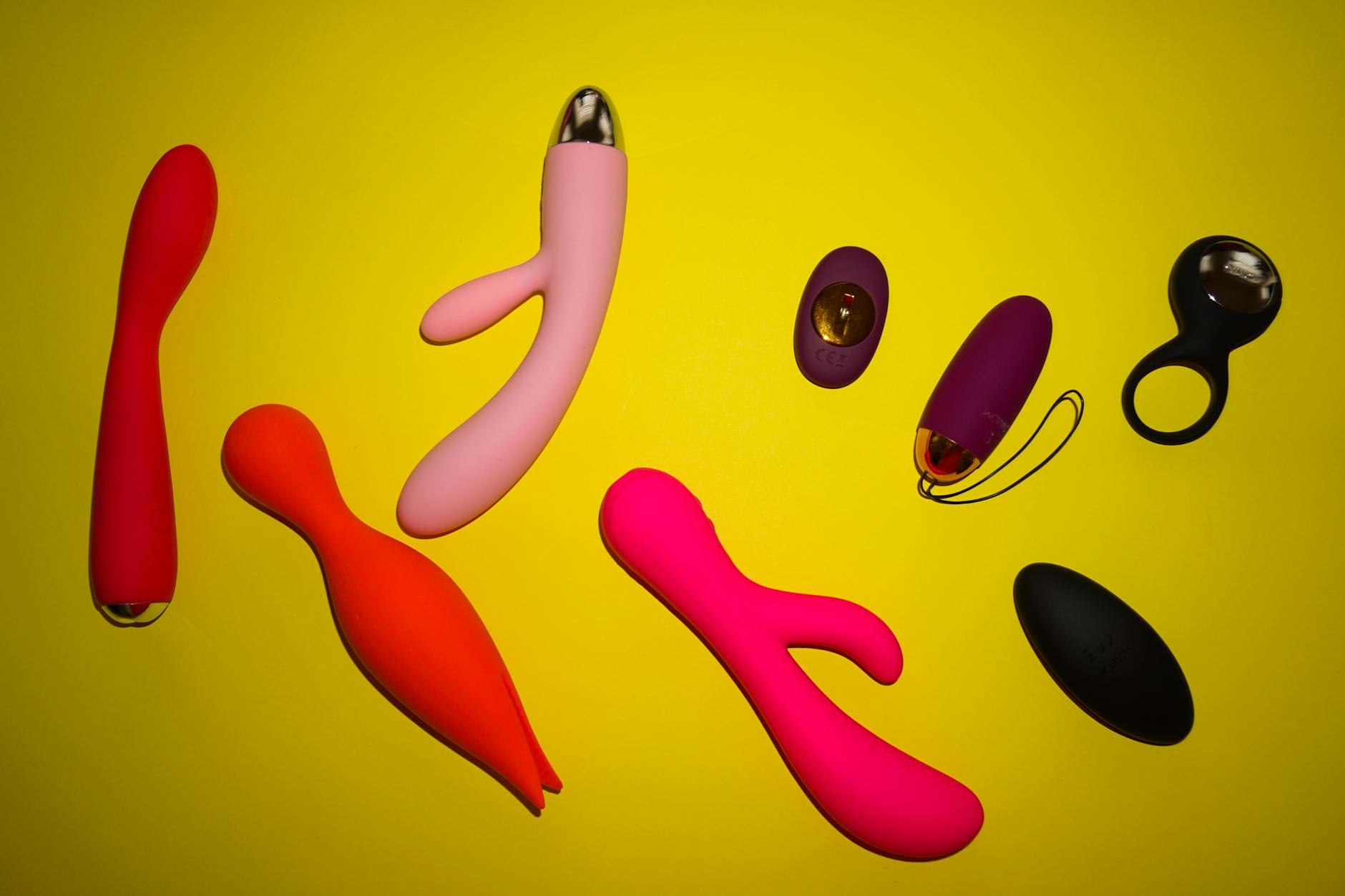
A lemon clitoral vibrator is built for this. Unlike penetrative toys or partners, it offers zero performance pressure. You're not performing for anyone. You're not being evaluated. You're just exploring sensation at your own pace.
When you use a suction-based clitoral vibrator like The Lemon, something shifts neurologically. The sensation is distinct, localized, and specific. Your brain has to pay attention to it. It can't wander into "do I look weird right now" territory because the sensation is too interesting.
Over time, this retrains your nervous system. You begin to associate your genitals with pleasure instead of anxiety. Your threat-detection system gradually quiets down.
Setting up for solo exploration when body shame is high
This matters more than you'd think. Environment changes neurobiology.
First: privacy and darkness. If possible, keep the lights low or completely off. This removes visual self-monitoring. I know this sounds simple, but I cannot overstate how much it helps. Your body tightens when it thinks it's being watched, even if the watcher is just you in the mirror.
Second: comfortable clothes or none. If you're still fully clothed, you're still in a state of self-consciousness. Strip down to whatever makes you feel grounded, not observed. Some people need to be fully naked. Others do better with a soft shirt or underwear.
Third: no mirrors. This is non-negotiable when you're starting this work. The visual feedback loop is too strong. You're here to feel, not to see.
Fourth: set a time limit. Tell yourself you're doing this for 10 or 15 minutes, maximum. Not because you need to rush, but because knowing there's an endpoint takes pressure off. You're not trying to have an orgasm. You're just exploring sensation. The orgasm might happen. It might not. Neither is a success metric.
How to start with your lemon sucker if pleasure feels foreign
Beginning slowly is not a suggestion. It's the whole strategy.
Hold the vibrator in your hand first without turning it on. Let yourself feel the weight of it, the silicone texture. This sounds elementary, but you're teaching your brain that this object is safe.
Turn it to the lowest pattern (Pattern 1 on The Lemon). Start somewhere that feels lower-pressure first. Your inner thighs. The back of your neck. Your forearms. Let yourself get used to the sensation of vibration on your body without the intensity of clitoral stimulation.
When you move to your clitoris, try starting on the outer labia first. Not the tip of your clitoris directly. This gives you gentler contact while your nervous system adjusts.
Most importantly: notice what you feel without judgment. Not "this feels good" or "this should feel better." Just the raw sensation. Warmth, pressure, tingling, numbness, intensity. The observation itself is the goal.
What happens when the critical voice shows up mid-session
It will. Expect it.
You don't fight the critical voice. Fighting it gives it energy. Instead, you acknowledge it and redirect your attention. "That thought is there. And I'm choosing to focus on this vibration, this sensation, right now."
This is called cognitive defusion. You're not disagreeing with the thought. You're just declining to engage with it.
If you find yourself completely derailed by body anxiety mid-session, pause. You haven't failed. You've gotten useful information. Your nervous system wasn't ready yet. Stop, turn off the vibrator, and give yourself credit for trying.
You can come back tomorrow.
Building confidence through repeated sensation work
This isn't a one-session fix. But the timeline is shorter than you might expect.
Most people report a noticeable shift in how disconnected they feel within 3-4 weeks of regular solo exploration. Not because anything about their body changed, but because they've literally rewired the neural pathways between their genitals and pleasure.
The shame narrative starts to quiet down. Your threat-detection system learns that this is safe. Your arousal system gets the chance to work.
Some people find that when pleasure requires longer warmup time, the extended session becomes meditation-like. Others discover that regular clitoral vibrator use increases arousal with partners because the nervous system now remembers what safety and pleasure feel like.
The role of sensation in rebuilding trust with your body
Body image issues often come with a deeper belief: "My body betrayed me" or "My body is wrong." Solo pleasure work is fundamentally about renegotiating that contract.
You're telling your body: I'm here. I'm present. I'm interested in what you feel, not in controlling how you look.
This is not a small thing.
Many people recovering from sexual shame report that the first time they feel genuine pleasure after months of disconnection, something shifts. Not magically, but tangibly. The permission to feel good becomes permission to exist in your body.
A lemon clitoral vibrator is one tool for that work. It removes performance. It concentrates sensation. It gives your nervous system something specific to pay attention to besides your own critical thoughts.
When to reach out for additional support
If body image anxiety is severe or trauma-related, solo pleasure work alone won't be enough. That's not a failure of this approach. That's a sign you need additional support.
A sex-positive therapist can help you untangle where the body shame originates and develop specific strategies for your situation. Some people benefit from medication that helps quiet the anxiety enough to access arousal. Others find that couples work addresses the relational patterns fueling the shame.
None of these things replace sensation work. But they complement it.
Your body isn't the problem. The neural pathways between your body and pleasure just need retraining.
FAQ
What if I can't turn off my critical thoughts even with a vibrator?
Start with shorter sessions. Five minutes. Just five. The critical voice gets louder when you're focused on "doing it right" for a longer period. Also try using the vibrator while wearing something on top. This sometimes helps people feel less exposed and visible, even when alone.
Does masturbation with a vibrator actually help body image, or is it just a distraction?
It's neither. It's retraining. Regular stimulation of your genitals with a lemon clitoral vibrator literally increases blood flow and neural activity in those areas. Over time, your brain's threat map changes. The zone stops feeling unsafe. This is neurobiology, not positive thinking.
Is it normal to feel guilt or shame during or after solo pleasure?
Very normal. This is often residual messaging from childhood or culture telling you that pleasure in your own body is wrong. It's not. The guilt is a symptom, not a sign you should stop. Some people find that after 3-4 sessions, the guilt decreases significantly as the body learns it's safe.
Can using a vibrator make my clitoris less sensitive to touch from a partner later?
No. This is a common myth. Your clitoris has a fixed number of nerve endings. Vibrator use doesn't damage or desensitize them. If anything, regular stimulation can improve your awareness of sensation and make partnered touch more pleasurable, not less.
What if my partner finds out I'm using a lemon vibrator for body image work?
This is between you and your partner, depending on your relationship. Some people keep this completely private. Others find that sharing what they're doing opens a conversation about what they need to feel safe and aroused. If you do share, frame it as what helps you feel connected to your body, not what's missing from partnered sex.
How long before I notice a difference in how I feel about my body?
Most people report some shift in sensation disconnection within 2-3 weeks of consistent use. The relationship with body image itself takes longer. Some people notice decreased shame within a month. For others, it's 2-3 months. The timeline depends on how deeply rooted the shame is and whether you're working with other support.