Let's name what's actually happening
Your body takes time to warm up. That's not a problem. That's information. And honestly, most people have been sold a lie about what "normal" arousal looks like. Hollywood shows a two-minute ramp from zero to orgasm. Real bodies, especially as they age or after certain life events, operate on a completely different timeline. That difference isn't dysfunction. It's just physics.
My clients describe this as feeling "stuck" or "unable to get there." What they're actually experiencing is a slower arousal curve that peaks later and lasts longer when given space to build. A lemon vibrator designed for sustained stimulation works beautifully with this pattern, but only if you stop fighting against the timeline and start designing for it.
Why warmup time matters more than you think
When arousal builds slowly, it's not because desire is absent. It's because the nervous system needs more stimulus duration to trigger the physiological cascade that leads to orgasm. Blood flow to the clitoris takes longer to establish. The clitoral glans swells gradually rather than rapidly. The vaginal opening relaxes at its own pace. None of this is wrong. It's just slower.
Here's the sneaky part: when you rush this process or try to force intensity before your body is ready, you actually shut down arousal further. The sympathetic nervous system (your fight-or-flight response) activates, which literally opposes the parasympathetic activation you need for pleasure. So trying harder makes things worse.
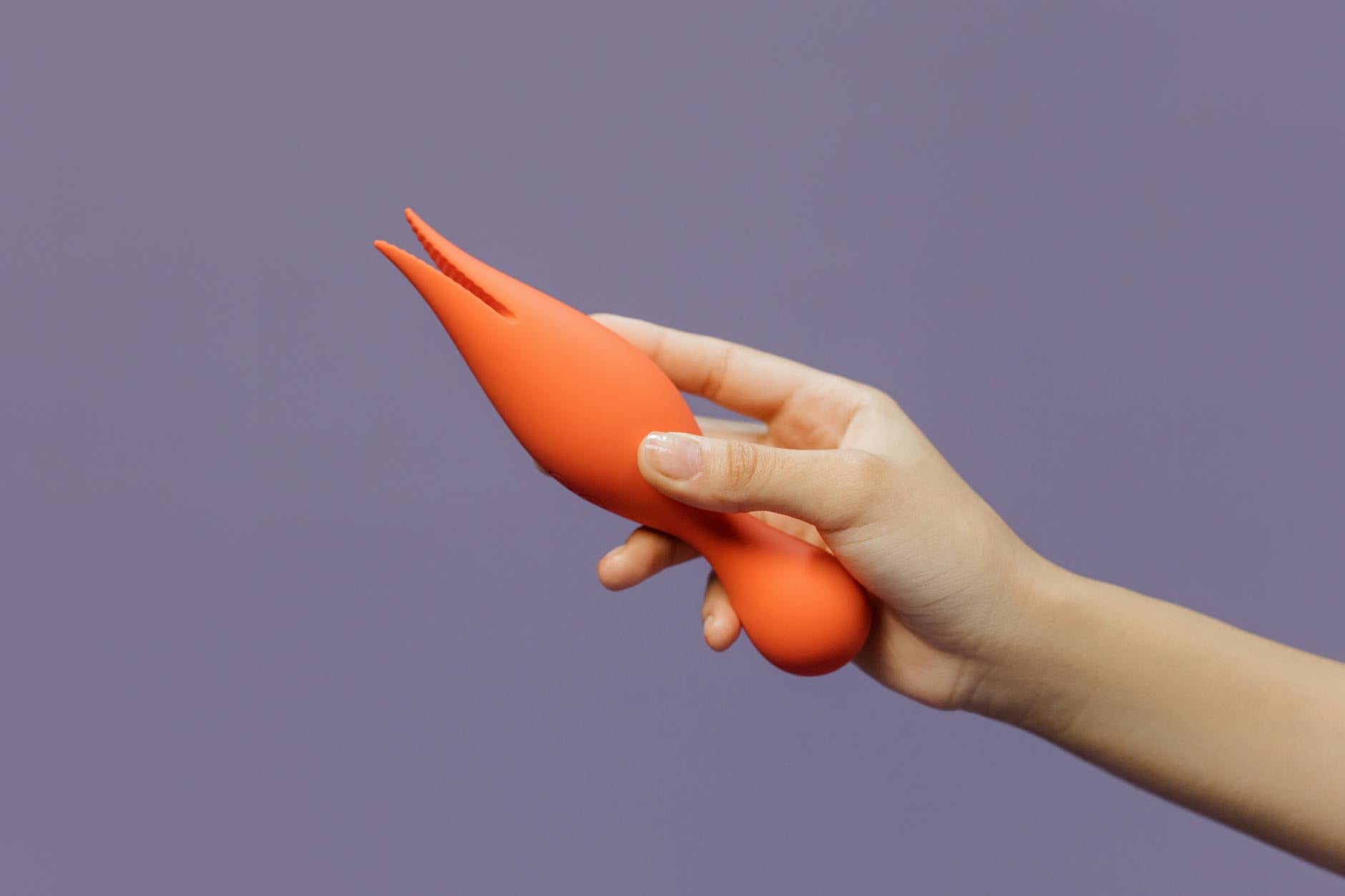
A lemon clitoral vibrator like the Lem works with slow arousal, not against it, because the suction design provides consistent, sustainable stimulation without requiring aggressive friction. You can build intensity gradually, which means your body gets exactly what it needs.
The extended foreplay framework
If your arousal takes 20 to 45 minutes of stimulation to reach orgasm, that's your timeline. Work with it. Here's the structure I recommend:
Phase one: Settling in (5-10 minutes). No vibrator yet. Your job is nervous system regulation. This might be breathing exercises, gentle touch from a partner, or solo touch that feels nice but isn't goal-oriented. If you're partnered, this is about reconnection, not pressure. Some couples start with a conversation about what they want that day. Others just sit together. The point is creating safety.
Phase two: Building sensations (10-15 minutes). This is where a lemon vibrator enters, but at low intensity. Most people jump to pattern level 5 or 6 immediately. Start at level 1 or 2. Let your body recognize the sensation, let arousal begin its slow climb. The Lem's suction design means you'll feel building intensity without the harsh friction that can numb you if you're starting from a lower arousal baseline.
Phase three: The slow peak (10-25 minutes). Gradually move through the intensity levels. Not because you have to, but because your arousal is unfolding and asking for a bit more. Some sessions this takes ten minutes. Some take thirty. Both are fine. The goal is matching the vibrator's intensity to your nervous system's readiness, not the other way around.
How to communicate the extended timeline with a partner
If you're partnered, the extended warmup can feel awkward to explain. Partners often interpret it as rejection or lack of attraction. It's neither. It's biology. The conversation that works is something like: "My body needs more time to warm up now. That doesn't mean I'm less interested. It means we get to spend more time together building toward something really good."
Then show them what that looks like. If your partner is helping, their hand or mouth during phase one creates intimacy that a vibrator alone can't. Many partners actually prefer this because it's more connected than the rush-to-vibrator model. Then the vibrator enters as amplification in phase two, not replacement.
For solo sessions, give yourself permission to take whatever time you need. You're not slow. You're thorough.
The pacing game with a lemon vibrator
Most lemon sexual toys, including the Lem, have 6 to 10 intensity levels or patterns. Your job isn't to try them all. Your job is to find the rhythm that matches where your arousal is in real time.
Here's what I've seen work:
Stay at the same level for 3 to 5 minutes before increasing. This gives your nervous system time to adapt and for arousal to build in response. If you change levels every 30 seconds, you're actually interrupting the cascade of sensations that leads to orgasm. Patience with pacing matters more than novelty.
Alternate between 2 or 3 favorite patterns rather than cycling through everything. Your body will develop a rhythm with a pattern you return to repeatedly. With the Lem, some people find that pattern 3 or 4 becomes their "home base," and they move to it whenever things feel disconnected.
If you hit a plateau and arousal isn't building, don't immediately crank the intensity. First, try a different pattern or go back one level and hold it longer. Often a slight shift sideways rather than up is exactly what your nervous system needs.
When physical stimulation needs mental space
Longer warmup sometimes means your brain needs something from you too. Distraction kills arousal faster than almost anything else. If you're thinking about work emails or feeling self-conscious, that sympathetic nervous system activates again and you'll feel stuck.
Some people find that dimming the lights, putting their phone in another room, or creating a specific "this is my time" ritual helps the brain settle into pleasure. Others need a partner's voice or touch reassuring them it's okay to take time. Still others need to be alone because partner presence itself is distracting.
None of these is wrong. The extended timeline is the right one for your body, and the conditions you need to reach orgasm are the conditions you deserve.
Signs your warmup needs are normal (and common)
You might benefit from a longer arousal window if any of this sounds familiar: you're in your 40s, 50s, or beyond; you've had kids; you've experienced a hormonal shift; you're managing stress or anxiety; you're on certain medications; or you've spent a long time without sexual activity and your body is recalibrating.
Alternatively, some people have always been slow burners. They were never the type to get turned on in five minutes. They might have told themselves they had a problem when actually they just had a different set point. If that's you, the extended warmup isn't new. You're just finally giving it the time and tools it deserves.
When you stop treating slow arousal as a malfunction and start treating it as useful information about how your body works, everything changes. A lemon clitoral vibrator becomes less of a workaround and more of a perfect fit.
FAQ: Warmup time and vibrator use
How long is too long for arousal warmup?
There's no "too long." If you reach orgasm after 30 minutes, 45 minutes, or even an hour of sustained stimulation, that's your rhythm. The only problem is if you're frustrated by it. Once you accept it as normal for your body, it often feels less frustrating.
Can I use a lemon vibrator right from the start, or should I wait?
You can start with it during phase two when some arousal has already built. Starting with it on high intensity when you're barely aroused teaches your body to tune out the sensation. Start low, let sensation register, then build.
My partner finishes much faster than I do. How do we handle this?
Talk about it before sex, not during. Some couples solve this by the partner having their pleasure first, then focusing entirely on the extended warmup with you. Others use the extended timeline as an opportunity for deeper foreplay and connection. A lemon vibrator can be part of partnered play, or you can use it after your partner has finished.
Does extended arousal mean extended orgasm too?
Often yes. When arousal takes longer to build, the orgasm that follows is sometimes more intense or lasts longer. Not always, but frequently. This is another reason to stop rushing the warmup phase.
What if nothing works and I still can't come?
If you're doing extended foreplay, using the right tool, and arousal isn't happening, that might be a signal that something else is at play: medication effects, hormonal changes, relationship stress, or past trauma. These are worth discussing with a healthcare provider or therapist. A vibrator is powerful, but it's not magic. Sometimes the issue lives in a different system.
Is it normal to need a vibrator when you didn't before?
Completely normal. Arousal patterns change with age, medication, stress, hormones, and relationship dynamics. Needing different tools at different seasons of your life isn't a regression. It's adaptation. Many people find that once they discover what their body actually needs, pleasure becomes easier, not harder.
The warmup isn't a detour
Honestly though, the extended warmup might be one of the best things that could happen to your pleasure. It forces you to slow down, to pay attention, to notice what actually feels good rather than what you think should feel good. You get to discover that your body isn't broken. You're just operating on a different timeline, and a lemon vibrator designed for sustained suction stimulus? That's the tool built for exactly how you work.
If you have questions about how to use a lemon sexual toy with your specific situation, or you want to talk through what your pleasure needs look like, reach out to us at /contact. We're here to help.