Here's the thing about coming back to pleasure
Sexual recovery isn't linear. Whether you're healing from trauma, adjusting to medication side effects, rebuilding after a long dry spell, or simply learning to trust your body again, the path back to genuine pleasure requires something most vibrators don't offer: gentleness without sacrifice.
You don't need intensity right now. You need permission. And you need a tool that works with your body's nervous system rather than overwhelming it.
What happens to your clitoris during a gap
When you step away from pleasure for months or longer, your clitoris doesn't forget how to feel. But it does become more sensitive to pressure and direct stimulation. The tissue becomes more reactive to friction-based toys, and your nervous system may have learned to guard against sensation rather than welcome it.
This isn't a defect. It's protection.
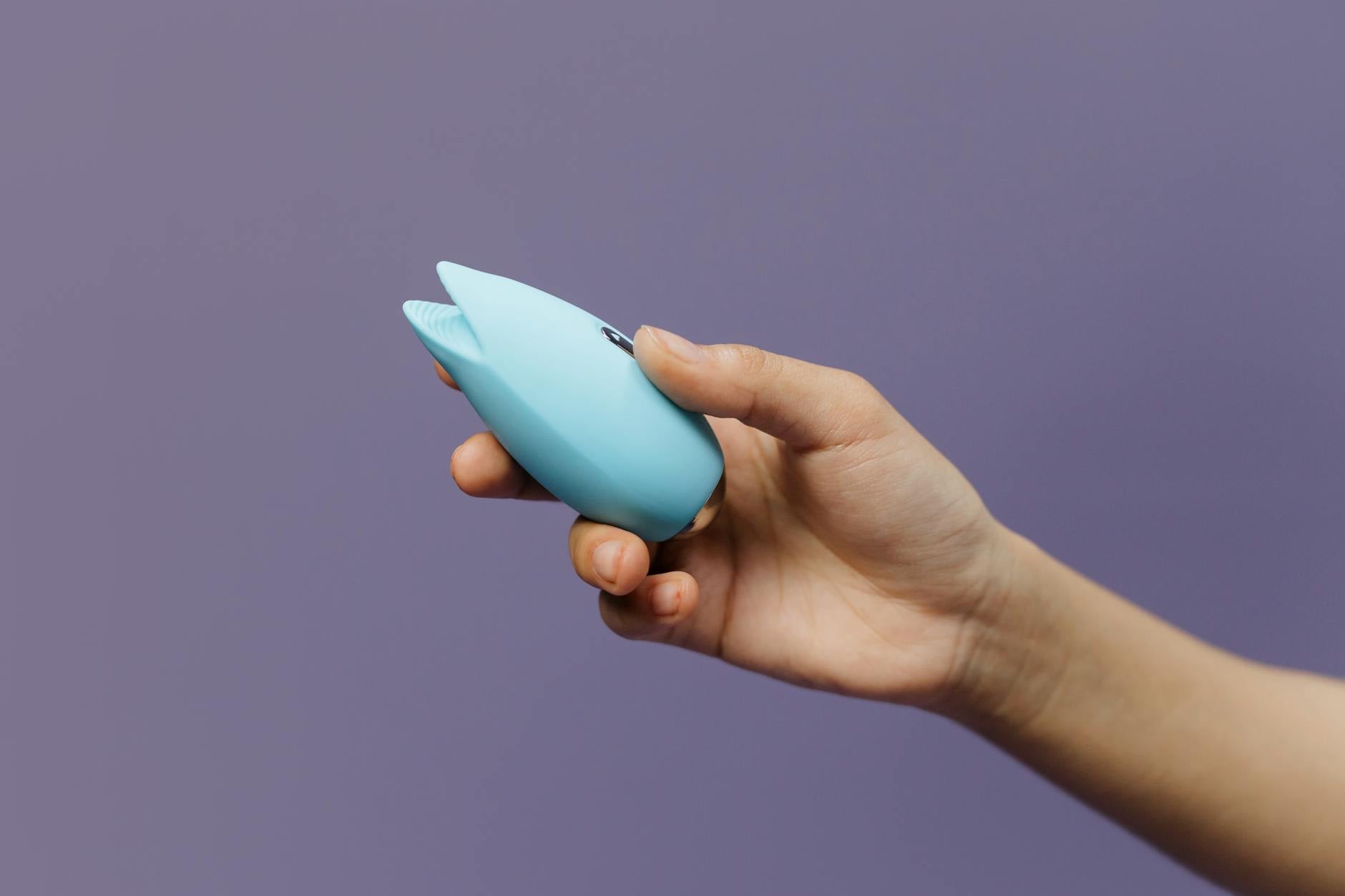
After trauma or months of low desire, your body's sensory system needs to rebuild trust. Intense vibration can feel threatening to a nervous system that's still on alert. Lemon clitoral vibrators work differently because suction doesn't assault tissue. It creates gentle pressure, negative space that your body can relax into.
Think of it this way. Friction says "brace yourself." Suction says "let go."
Why suction beats vibration for sensitive recovery
Most vibrators deliver stimulation through direct mechanical contact. They're fast, intense, and they work brilliantly for people whose nervous systems are ready for them. But during recovery, intensity can actually trigger a freeze response. Your clitoris tenses up. Orgasm becomes impossible or painful.
Suction-based lemon vibrators avoid this trap entirely. They work by creating rhythmic pressure changes around the clitoral area without harsh friction. The sensation is enveloping rather than targeting. Your nervous system interprets this as safety, not threat.
This matters neurologically. When your body feels safe, your dorsal parasympathetic nervous system activates. Blood flow increases. Your clitoris naturally engorges and becomes more responsive. Pleasure becomes possible again.
The science of sensate focus meets modern tool design
Therapists have used sensate focus for decades to help couples and individuals reconnect with pleasure after gaps or trauma. The core principle is simple. Start with non-sexual touch. Build sensation gradually. Let your brain rewire the connection between touch and safety.
Lemon clitoral vibrators accelerate this process because they feel like sensate focus while delivering stimulus your body craves. You're not forcing arousal. You're inviting it. The suction pattern mimics the gentle, repetitive pressure that actually teaches your nervous system to relax.
Many clients report that their first orgasm after recovery comes not from intensity, but from finally feeling allowed to have one. That permission emerges from a tool that respects their nervous system's pace.
Pattern and rhythm matter more than power
During recovery, the toy's power setting matters less than its pattern. A lemon clitoral vibrator offers multiple suction rhythms that you can explore without overwhelming yourself. You might start at pattern one, which feels almost meditative. No pressure to climax. No performance expectation.
Then, as your body rebuilds confidence, you can shift to slightly more rhythmic patterns. You're in control of the escalation. Your nervous system gets to vote on the timeline.
This user-controlled pacing is crucial. Trauma and anxiety thrive in situations where sensation arrives without permission. Choosing your own rhythm transforms the experience from something happening to you into something you're actively creating.
How medication changes affect clitoral response
If you're taking antidepressants, hormonal birth control, or other medications that affect libido or orgasm, you already know pleasure can feel distant or numb. Many people assume this is permanent. It's not. But reconnection requires a different approach.
Your clitoris is still there. Your nerve endings are still there. But the signal between touch and sensation has gotten fuzzy. A lemon clitoral vibrator's suction pattern can help clarify that signal without demanding response.
The gentle pressure creates stimulation that doesn't rely on the same neural pathways that medication has dampened. Many people find that, over weeks of exploration, sensation gradually returns as their nervous system remembers how to interpret pleasure signals.
Building back to confidence
Recovery isn't just physical. It's psychological. You need to prove to yourself that pleasure is still possible, that your body hasn't betrayed you permanently, that you can trust sensation again.
Each session with a suction-based lemon clitoral vibrator is a small vote of confidence in your body. You're not performing. You're not proving anything to a partner. You're simply reconnecting with your own capacity for pleasure. Over time, these sessions compound. Your nervous system begins to anticipate touch without bracing against it. Your clitoris becomes more responsive. Orgasms return, often deeper and more satisfying than before.
Many people in recovery find that how to use lemon vibrators when pleasure has been a solo act for months gives them a framework for solo exploration that feels safe and intentional.
When to bring a partner back into the picture
If you're healing within a relationship, the timeline for reintroducing partnered pleasure matters. A lemon clitoral vibrator can actually ease this transition because it removes the pressure for your partner to "do something right." Instead, they can learn your body alongside you, watching what patterns make you respond, what pace feels good.
Some couples find that using a lemon vibrator together becomes its own form of intimacy. Your partner isn't performing. They're witnessing. They're learning. That shift from performance to presence is where real reconnection lives.
If communication around pleasure has been fraught, how to use lemon vibrators with a new partner when communication feels vulnerable offers a gentler entry point for that conversation.
The recovery timeline is unique to you
There's no standard schedule for coming back to pleasure. For some people, three weeks of patient exploration with a lemon clitoral vibrator is enough to rebuild confidence. For others, it takes months. Both are normal. Both are evidence of your nervous system doing exactly what it's supposed to do. protecting you until it feels safe enough to open back up.
The key is consistency without pressure. Using a lemon vibrator twice a week feels very different from forcing daily sessions. You're signaling to your body that pleasure is a normal part of your life again, not a performance obligation.
Recovery is not about getting back to where you were. It's about learning to pleasure yourself differently, more wisely, more gently than before.
FAQ
Can I use a lemon clitoral vibrator if I have touch trauma?
Yes, often very effectively. The key is starting with the gentlest suction pattern and using the toy solo first, so you're in complete control. Your nervous system gets to learn that this touch is safe before introducing any complexity. If touch trauma is significant, working with a sex therapist alongside toy exploration can accelerate reconnection.
How long does it take for sensation to return after medication changes?
It varies, but most people notice shifts within 4-6 weeks of consistent, gentle exploration. Some medications take longer to clear your system or for your nervous system to recalibrate. A lemon clitoral vibrator's varied patterns help you track these changes. You might notice pattern three suddenly feels amazing when it didn't two weeks ago. That's your nervous system healing.
What if I still can't orgasm after using a lemon vibrator for a month?
That's not failure. It's information. Your body might need a different pattern, more solo time before partnered play, or input from a sex therapist or doctor to rule out medical factors. Recovery isn't linear, and sometimes the path involves professional support alongside self-exploration.
Can lemon vibrators help with anxiety-related numbness?
Absolutely. Anxiety numbs sensation by keeping your nervous system in fight-or-flight mode. Suction-based stimulation is one of the gentlest ways to invite your parasympathetic nervous system back online. Combined with breathing or grounding techniques, many people find that lemon clitoral vibrators help break the numbness cycle.
Is it normal to feel emotional during recovery with a toy?
Completely. Pleasure, especially after a gap, can bring up grief, relief, joy, or complicated feelings all at once. Your body is reconnecting with something it's been denied. That's significant. Let the feelings exist. They're part of healing.
Do I need to tell my partner I'm using a lemon vibrator during recovery?
That depends on your relationship and recovery needs. Solo exploration first can help you rebuild your own baseline before involving a partner. But if you're in a committed relationship, transparency often matters. Some partners find it threatening at first, then realize the toy is actually rebuilding intimacy in the relationship. Others want to be part of the journey from day one. There's no universal right answer.
Moving forward
Recovery is real work. It requires patience with yourself, permission to move slowly, and tools that respect your nervous system's timeline. A lemon clitoral vibrator isn't a magic fix. It's a language your body already speaks, just amplified.
Your pleasure matters. Your nervous system's healing matters. And you deserve a path back to sensation that feels gentle, intentional, and entirely under your control. If you have questions about your recovery journey, reach out to us. We're here to help.