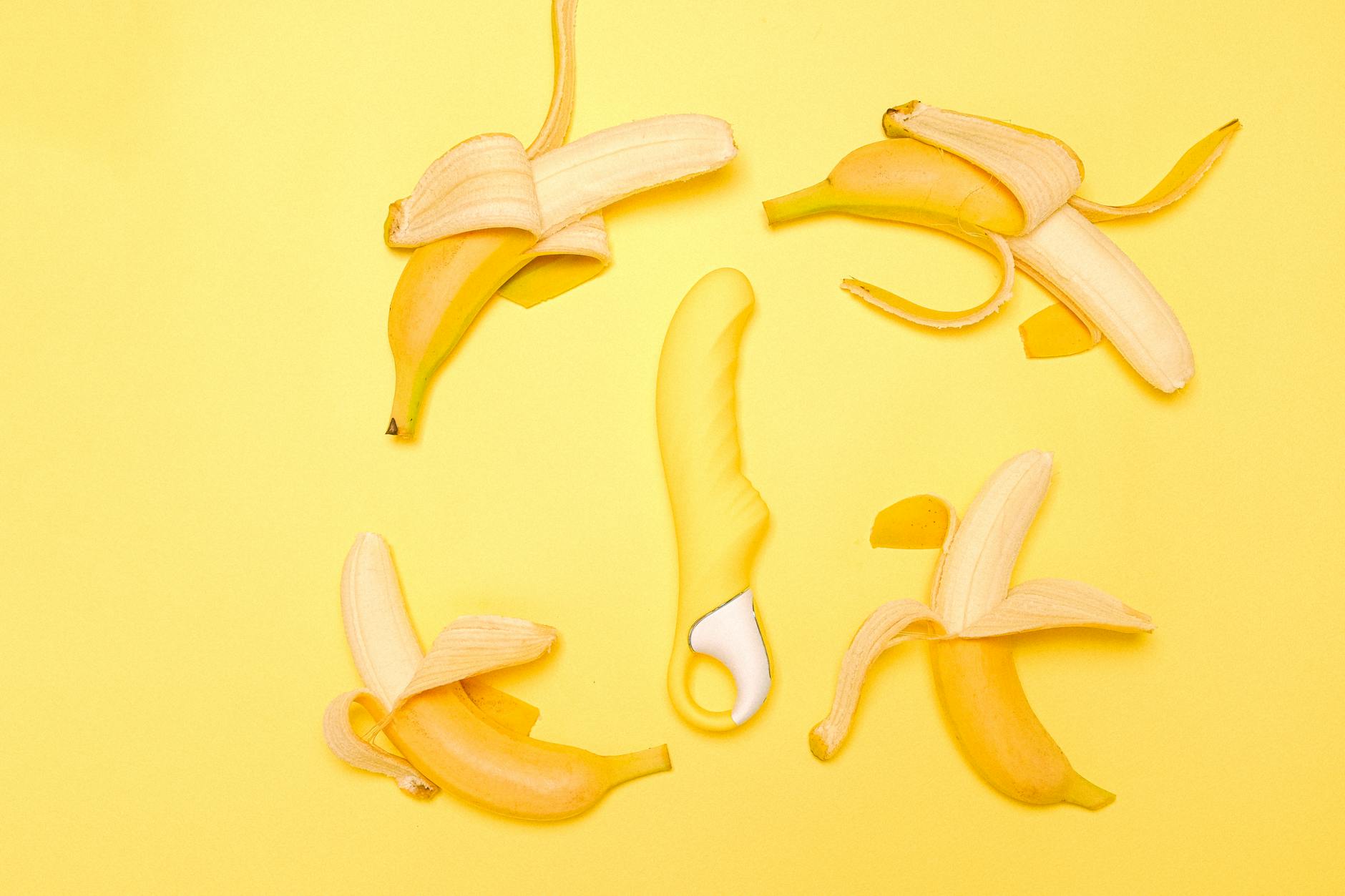
Why Lemon Clitoral Vibrators Feel Stronger After Stopping Birth Control
The part nobody warns you about: hormonal birth control dampens sensation across your whole body. Here's what wakes up when you quit, and how to adjust.
If you've recently stopped hormonal birth control and suddenly your Lemon vibrator feels like it's operating at a completely different intensity level, you're not imagining it. Your body isn't broken. It's waking up.
Hormonal birth control works by suppressing ovulation, which means it's also suppressing the natural fluctuations in estrogen, progesterone, and testosterone that drive arousal, sensation, and orgasm. Most people don't realize this is happening until they stop taking it and feel the difference immediately. It's not subtle.
The typical conversation about birth control side effects focuses on nausea, headaches, mood changes, or weight gain. But nobody talks about the fact that hormonal contraceptives chemically mute your nervous system's capacity to feel pleasure.
Here's the mechanism: synthetic hormones in the pill suppress androgens, including testosterone, which is crucial for genital sensation and desire in everyone with a vulva. At the same time, they lower baseline cortisol and can affect dopamine. Together, these changes mean your clitoris literally receives fewer nerve signals, your arousal response is slower to kick in, and your orgasms may feel distant or harder to achieve.
A 2015 study in Hormones and Behavior found that women on hormonal birth control showed measurably reduced genital sensitivity compared to those not using hormonal contraception. The effect isn't huge, but it's real and consistent. Your body isn't producing false sensation after quitting. Your baseline sensitivity was being chemically suppressed the whole time.
The changes don't happen overnight, but they happen faster than most people expect.
Week 1-2: Many people report feeling more "present" in their body almost immediately. Energy increases. Some describe their typical patterns of orgasm as feeling closer, easier. Your nervous system is already responding to the absence of synthetic hormones.
Week 3-6: This is when most people notice a real difference with toys like the Lemon. Sensation intensifies. Patterns that previously felt gentle or even underwhelming suddenly feel strong. If you're used to a specific intensity setting on your vibrator, you might need to dial it down. Some people find themselves preferring lower settings after they've never needed them before.
Month 2-3: Full hormonal reconstitution takes longer. Your body is rebuilding its natural hormone production. Desire often increases noticeably by week 6 or 7, and continues trending upward through month 3. This is normal. You're not becoming hypersexual. You're returning to your pre-pill baseline.
Month 3+: By the time you've been off hormonal birth control for three months, your hormonal cycle has usually stabilized enough that you can feel the natural fluctuations again. You'll probably notice that sensation and desire peak in the few days after ovulation and dip during the luteal phase, just like they did before.
Two things are happening simultaneously. First, your clitoral nerve density is effectively returning to its normal, uninhibited state. The tissue is already there, but the synthetic hormones were reducing the firing of the nerves that register sensation. Second, your dopamine and natural testosterone levels are rebounding, which means arousal itself is faster and more responsive.
This can feel alarming if you weren't expecting it. A lemon clitoral vibrator that felt comfortably strong three months ago might suddenly feel too much. That's not a sign something's wrong with you. It's a sign the suppression has lifted.
The key adjustment: start lower than you used to. If you were using pattern 4 or 5 on your Lemon before quitting birth control, you might find pattern 2 or 3 is now plenty. You can always increase. This phase is about recalibration.
Once you're off hormonal birth control, your natural cycle begins again, and with it comes the natural fluctuation in sensation you'd probably forgotten about.
During your follicular phase (first half of your cycle, just after your period), estrogen rises steadily. This usually corresponds with increased clitoral sensitivity and faster arousal. A Lemon vibrator might feel especially responsive during this window.
During your luteal phase (second half), progesterone dominates and sensitivity often decreases slightly. The same vibrator might feel less intense, and you might need longer warm-up time or more direct stimulation. This is all normal. Your body is cycling, not malfunctioning.
Some people find it helpful to track this over a month or two just to understand their own pattern. You might notice orgasms come easier mid-cycle. You might notice you prefer a different intensity setting depending on where you are in your cycle. That's not a bug. That's you learning your own body without pharmaceutical interference.
Here's something nobody warns you about: hormonal birth control is often prescribed as a treatment for anxiety or mood symptoms, even if you're not struggling with fertility. If you stopped it partly because you wanted to feel more like yourself, the first few weeks can actually be rougher emotionally before they get better.
Your brain is readjusting to natural hormone levels. Dopamine and serotonin, which synthetic hormones were partly regulating, are in flux. You might feel weirdly emotional, more irritable, or briefly more anxious before you feel better.
This matters for pleasure because anxiety and arousal live on opposite ends of your nervous system. If you're feeling unsettled during week 2 or 3 off the pill, your body might not respond the way you expect to your Lemon vibrator. This isn't permanent. It's a transition. That said, if you're struggling with your mood during this shift, talk to your doctor. There are other options.
If you've just quit hormonal birth control and your usual intensity settings feel overwhelming, here's what actually helps.
Start at a lower pattern. If you don't know where to start, begin at pattern 1 or 2 on your Lemon and work up slowly. You're not starting from zero. You're adjusting downward from your previous suppressed baseline.
Give yourself two to three weeks before changing patterns permanently. The changes aren't done settling. You might feel one way at week 2 and differently at week 5. Be patient with the transition.
Pay attention to where you are in your cycle. If you're tracking your period at all, notice whether your sensation and arousal feel different at different points. You might discover you have a preference for specific patterns or intensities depending on the time of month.
Don't assume you need a different toy. If your Lemon suddenly feels too strong, that doesn't mean it's the wrong toy for you now. It means your body is responding more readily. A lower pattern on the same toy often does the work you need.
Keep lubricant on hand. Even though your arousal is accelerating, your genital lubrication might not immediately increase proportionally. Water-based lube is your friend during this transition, especially if you're adjusting sensation levels.
If three months after stopping birth control your pleasure still feels dampened or missing entirely, that's worth checking with a healthcare provider about. Sometimes the reason someone struggles with pleasure on birth control is separate from the birth control itself. The pill might have been masking an underlying hormonal imbalance or something else entirely.
Similarly, if your mood or anxiety doesn't stabilize after the first month or two, talk to your doctor. You might benefit from additional support or a different approach to managing what you were managing with the pill.
What you shouldn't expect: a linear improvement. Some days will feel more sensitive than others. Some weeks will feel better than others. That's just your body being human.
Most noticeable changes happen in the first 4 to 8 weeks. Your nervous system responds quickly to the absence of synthetic hormones. However, full hormonal reconstitution and cycle stabilization typically takes 3 months. That's when you'll have enough data to understand your new baseline and what your natural sensitivity feels like across a full month.
Yes, often significantly. Since hormonal birth control suppresses testosterone, which is a primary driver of sexual desire, most people experience a noticeable increase in desire in the months after quitting. For some, it's subtle. For others, it's dramatic. Your pre-pill baseline is probably your more accurate baseline for what your desire actually feels like.
Frequently, yes. Because sensation is heightened and your nervous system is no longer dampened, many people find their orgasms feel stronger or more distinct. They also often come more easily. This can take some adjustment if you've spent years with a suppressed response, but most people find it positive once they adapt.
Talk about the transition, especially if you anticipate a shift in your arousal, sensation, or desire. If you've been on hormonal birth control for years, your partner may have only ever known you in that suppressed state. Your increased desire or different responsiveness isn't random. It's just you being yourself without the pharmaceutical filter.
Yes. Your clitoral nerve density is returning to its natural state. What felt normal under suppression can feel intense once the suppression lifts. This is temporary. Over a few weeks, your brain recalibrates and you'll feel less hypersensitive. You're not broken.
You can absolutely use the same toy. You might just use it at a lower intensity setting than before. Many people find that after stopping hormonal birth control, lower settings on toys like the Lemon become their preference, not because the toy changed but because their body is responding more readily. Start low and adjust upward if needed.
Stopping hormonal birth control is often framed as either a radical liberation or a return to chaos. The reality is somewhere in between. Your body isn't broken. It's been operating under chemical suppression, and now it's not. That adjustment takes time, but most people find that reconnecting with their natural sensation and desire feels genuinely better than the suppressed version, even if the first few weeks are disorienting.
If you're experiencing this transition now, know that what you're feeling is normal. Your Lemon vibrator isn't suddenly the wrong toy. Your body is just recalibrating. Give yourself grace during that process. Pay attention. And if you need support, reach out to a healthcare provider who actually understands sexual health, not just general gynecology.
Your pleasure matters, especially during transitions. You deserve accurate information about what's happening in your body and why.