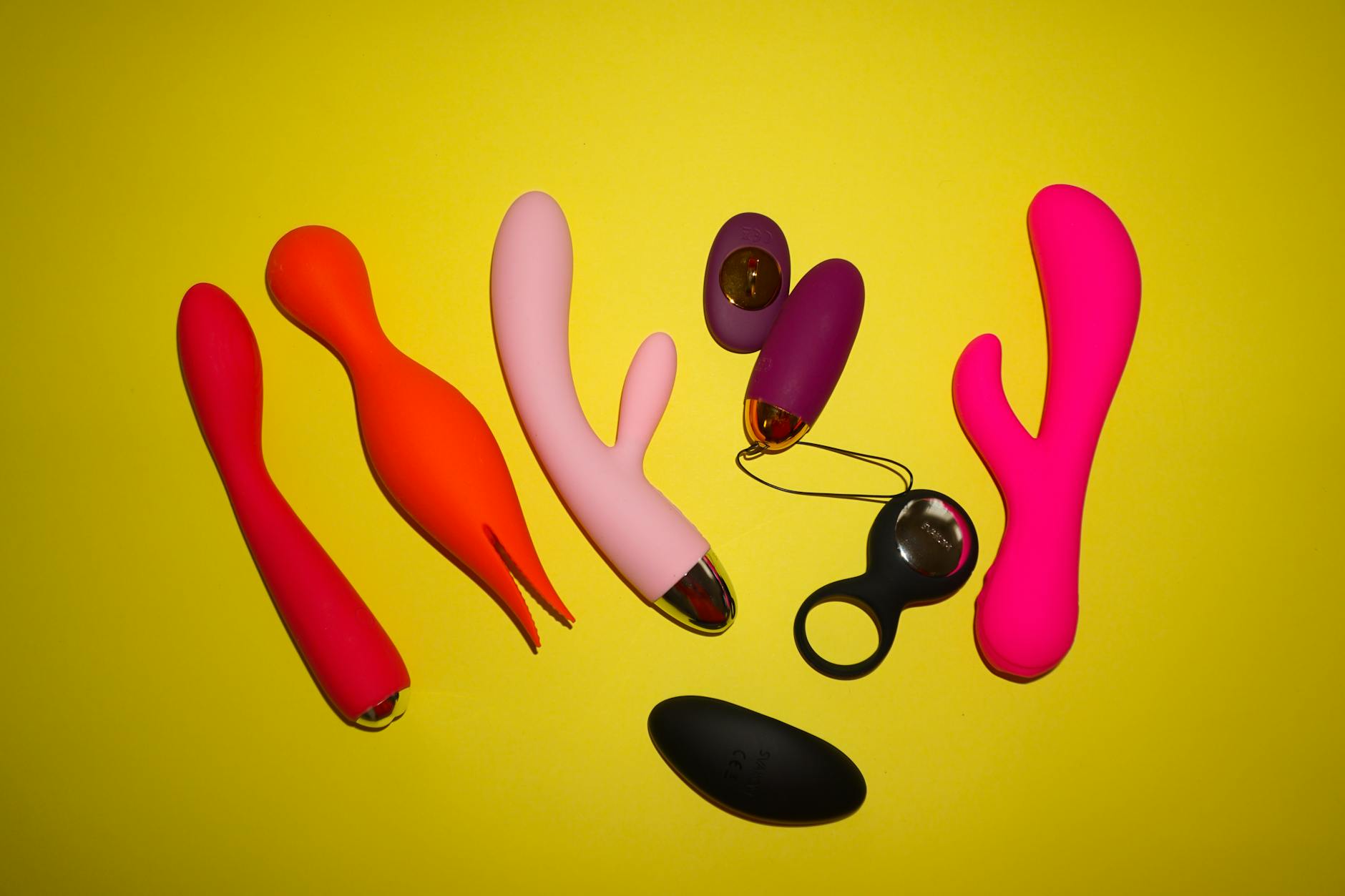
Let's talk about clitoral numbness
Here's the thing. Your clitoris hasn't actually gone anywhere. But the feeling of it, the responsiveness, the sense that touch there is registering in your body and brain. That can feel distant. Unreachable. Like you're touching someone else's body instead of your own.
This disconnection is wildly common, and it has nothing to do with being broken.
Why clitoral disconnection happens
There are usually three layers happening at once.
The physical layer. Years of the same stimulation pattern (or the same partner doing the same thing) can desensitize nerve endings. Your nervous system adapts. What used to feel electric becomes background noise. This isn't damage. It's habituation. Your body got efficient at filtering out repetition.
There's also the hormonal piece. Estrogen supports nerve sensitivity and tissue responsiveness. If yours has shifted (from hormonal birth control, perimenopause, or just getting older), your clitoris literally has fewer resources to amplify sensation. That's biochemistry, not your fault.
The mental layer. Disconnection often arrives with distraction. Work stress, relationship friction, grief, anxiety about performance. Your brain stops fully landing in your body. You're there physically but not psychologically present. That absence tanks sensation because pleasure needs your attention.
The relational layer. If your partner has stopped initiating, or you've stopped asking for what you want, or sex has become obligatory instead of chosen, your nervous system downregulates. Your clitoris isn't numb because you don't care. It's numb because your body learned long ago that pleasure here isn't safe or available right now.
Often all three are operating together.
How the clitoris actually works
Your clitoris has about 8,000 nerve endings in the visible part (the glans) and an entire internal network you can't see. But here's what matters: those nerves only fire if stimulation meets a certain threshold. If your threshold has climbed because of habituation or hormone shifts, regular touch just.won't.land.
This is where air-suction lemon vibrators change the game. Unlike conventional vibrators, which rely on direct mechanical friction, a lemon clitoral vibrator creates a pulsing suction pattern. That suction engages more nerve endings at once, hitting that threshold more reliably, even if your baseline sensitivity has dropped.
You're not forcing sensation. You're using a tool designed to re-engage your nervous system.
The reconnection protocol
Honestly though, the vibrator alone isn't enough. You need a practice, not just a toy.
Start with permission. Before you even hold a lemon vibrator, tell yourself this isn't about proving you can still orgasm. This is about waking up your nervous system. Pressure kills this work instantly. Remove the expectation.
Create conditions for presence. This sounds fluffy but it's mechanical. Phone off. Time blocked. Somewhere you feel physically safe. Your nervous system won't upregulate sensation if part of your brain is still checking emails. Presence is the prerequisite.
Begin without the toy. Spend 5-10 minutes touching your clitoris manually, slowly. No orgasm goal. Just notice. Is it warm? Cold? Tingly? Numb? Tender? You're gathering data, not chasing sensation. This reestablishes the basic connection before you introduce a tool.
Then introduce the lemon vibrator at the lowest setting. The Lemon Clit Sucker's patterns start gentle. Many people with disconnection start on pattern one and stay there for several sessions. Let the sensation be subtle. Let your nervous system get used to the fact that pleasure here is actually available.
Use this for 10-15 minutes, 3-4 times a week, for at least two weeks. This isn't a one-session fix. You're literally retraining your nervous system. Consistency matters more than intensity.
The role of positioning
How you're positioned changes everything. If you're lying back passively, waiting for sensation to happen, your pelvic floor often tightens unconsciously. That tension blocks nerve signals.
Instead, try sitting upright or semi-reclined, with direct access to your clitoris. Bend your knees. Let your pelvic floor relax (this is the opposite of Kegels for this moment). When you can actually control and soften those muscles, sensation comes back online faster.
What changes in your relationship matters
If you're partnered and experiencing disconnection, your partner usually feels this too. They notice you're not responding. They assume it's about them. So they either try harder (which backfires) or they pull back (which confirms your disconnection).
Here's the conversation that actually helps: "My body needs to rediscover sensation. I'm using time alone with a lemon vibrator to reconnect. This isn't about you being insufficient. It's about my nervous system needing a reset. When I feel sensation returning, I'll let you know what that means for us."
Then actually tell them. Let them in when you're ready. But give yourself the solo time first.
When to know it's working
You might not have a dramatic "sensation returns" moment. Often it's subtle. One day you notice suction pattern three instead of pattern one actually feels different. Another day you catch yourself thinking about touch before sex happens (desire returning). A week later, you orgasm. It's not the lightning bolt the movies promise. It's a gradual rewiring.
Most people notice shifts in 2-4 weeks of consistent practice. Some take longer. That's okay. Your nervous system operates on its own timeline, not the internet's.
The mental reconnection part
Here's something nobody talks about. Sometimes clitoral disconnection is also a symptom of emotional disconnection from yourself. You've spent years being what others needed. Performance. Presence. Pleasure on demand.
Reconnecting to your clitoris means reconnecting to the part of you that wants things just for you. That doesn't serve anyone else. That's purely selfish in the best way.
This is why even if you use the same lemon vibrator you've used before, the experience can shift when your mental state shifts. You're not just training nerve endings. You're reestablishing your own permission to feel good.
How partners can help (if you want that)
If and when you're ready to include your partner, the simplest starting point is observation without pressure. Have them watch (with your permission) while you use a lemon vibrator. Not to make it sexual. To show them what engagement looks like on your face. What patterns your body prefers. What pace actually works.
Then they understand. They see that sensation returning isn't their failure. It's your nervous system recalibrating. And they can support that without needing to fix it.
FAQ
How long does clitoral numbness usually last?
Clitoral disconnection varies wildly. Some people feel changes in 2-3 weeks of consistent practice. Others take 6-8 weeks. A few take months. The timeline depends on what caused the numbness (hormonal shifts take longer to reverse than habituation from the same vibrator for five years). The important part is consistency, not speed. Using a lemon vibrator three times a week for eight weeks beats using it daily for one week and then abandoning it.
Can you permanently damage your clitoris with vibration?
No. Your clitoris is tougher than marketing implies. You can't "wear it out" or make it permanently numb from vibrator use. What happens is habituation, which is reversible. If you take a break from the same tool and switch to a different sensation (like a lemon vibrator if you've been using direct vibration), sensation bounces back. Your nervous system adapts quickly.
Is using a lemon vibrator when disconnected better than manual stimulation?
They're actually complementary. Manual touch rebuilds the basic connection and relationship with your own body. Lemon vibrators (which work through suction rather than direct vibration) hit sensation thresholds that manual touch might struggle to reach if your baseline sensitivity has dropped significantly. Start with manual. Add the lemon vibrator when you're ready. Both matter.
What if you've been disconnected for years?
Years of disconnection usually points to more than just physical habituation. There's often a protective mechanism in place. Your body learned that turning off sensation kept you safe (from pressure, from disappointment, from unwanted touch in the past). Reconnecting requires not just a tool but often some actual conversation with yourself (or a therapist) about why numbness felt necessary. A lemon vibrator can help your body remember sensation is possible. But healing the reason for the disconnection might require additional work.
Can clitoral disconnection be caused by depression or anxiety?
Absolutely. Depression, anxiety, and trauma all numb sensation as a protective response. Your nervous system is doing its job by downregulating. In these cases, reconnection work still helps, but it's slower and often needs to happen alongside mental health support. A lemon vibrator isn't a substitute for therapy, but it can be part of the toolkit.
Does hormone replacement therapy help clitoral disconnection?
If the disconnection is hormone-driven (perimenopause, post-menopause, or hormonal birth control side effects), yes, HRT or a different hormonal approach can help. But reconnection work using tools like lemon vibrators still matters because you're also retraining your nervous system in parallel. Address both the physical cause and the habituation.
Reconnection is available to you
Clitoral disconnection is common enough that you don't need to feel weird about it. It's also reversible with patience and the right approach. A lemon vibrator designed for suction stimulation can be a genuine tool for waking up sensation. But the real work is showing up consistently, giving yourself permission to feel good, and trusting that your body knows how to respond again.
Your clitoris hasn't forgotten. Your nervous system just needs a reason to pay attention. Once it does, sensation comes back.