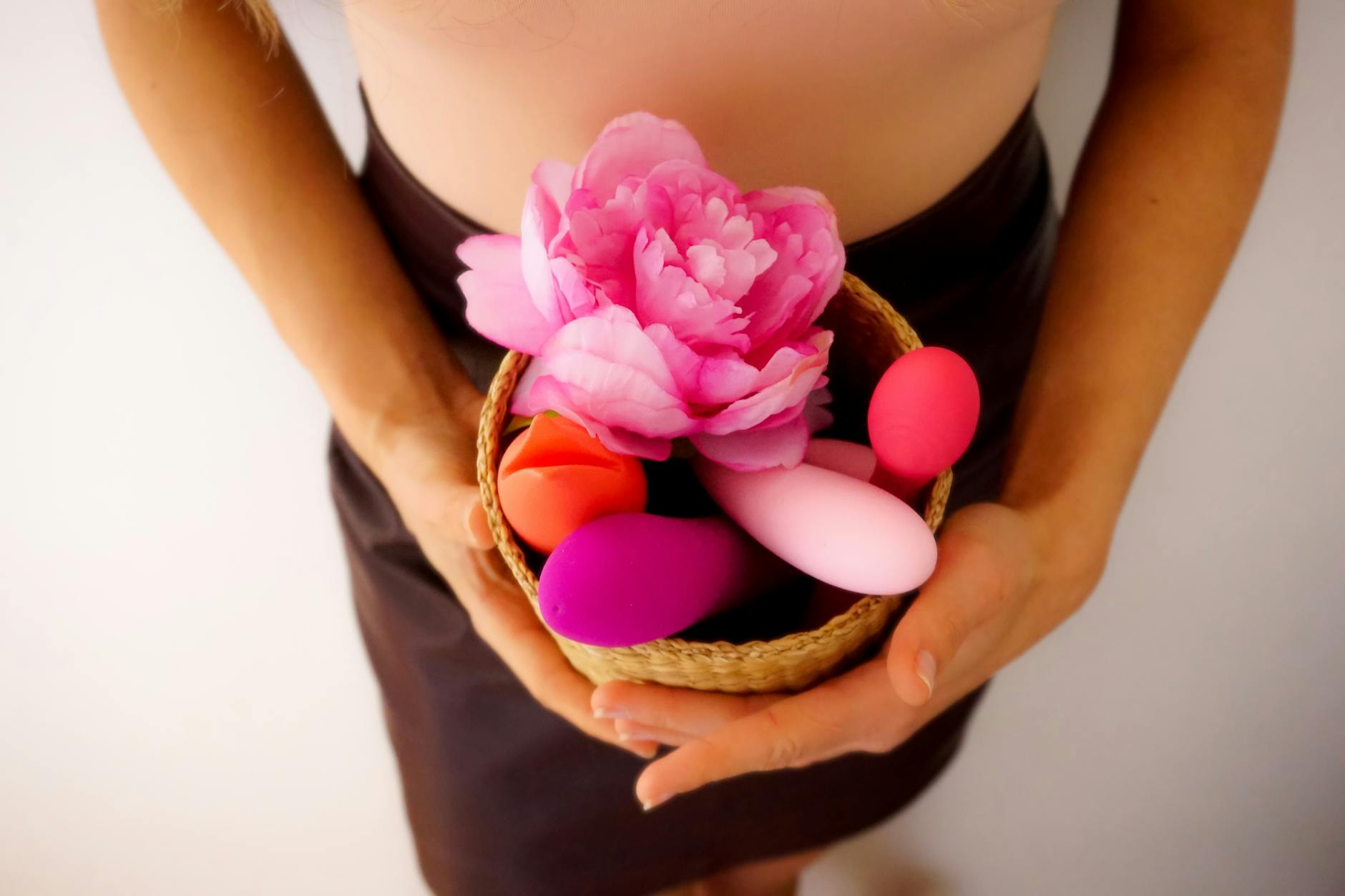
When your clitoris hurts, everything changes
Let's be real. Clitoral tenderness makes you want to avoid touch entirely, not explore pleasure. The pain signal is so strong that it drowns out everything else. But tenderness and pleasure aren't mutually exclusive, and the right approach with a lemon clitoral vibrator can help you reclaim sensation without making things worse.
Tenderness usually means one of three things: you've had too much direct friction, hormonal shifts have made tissue more fragile, or there's an underlying irritation. The good news is that none of these situations are permanent, and all of them respond well to patience, the right technique, and tools designed for sensitivity.
What causes clitoral tenderness in the first place
Your clitoris has over 8,000 nerve endings packed into a tiny area. That density is why it's so responsive to pleasure, and why it's also vulnerable to overstimulation. Tenderness usually arrives through one of these routes.
Too much friction too fast. If you've been using vibrators at high intensity without breaks, or if you've had frequent masturbation sessions without adequate rest, tissue can become irritated and raw. It's like a friction burn, except internal.
Hormonal fluctuations. Estrogen levels affect tissue thickness and resilience. During certain phases of your cycle, after hormonal shifts, or with certain medications, your clitoral tissue becomes thinner and more prone to irritation. This is why the same vibrator might feel perfect one week and uncomfortable the next.
Infections or irritations. Sometimes tenderness signals something like a yeast infection, bacterial irritation, or contact dermatitis from lube or toy materials. If tenderness persists longer than a few days or is accompanied by discharge, itching, or burning during urination, see a gynecologist before using any vibrator.
Pelvic floor tension. A tight pelvic floor can make the entire vulva and clitoris feel hypersensitive and tender. When muscles are constantly contracted, even light touch can feel overwhelming.
Why lemon vibrators work differently for tender tissue
A lemon vibrator like The Lemon Clit Sucker uses suction stimulation instead of direct vibration. That's the key difference when tenderness is an issue.
Traditional vibrators rely on buzz or pulsing against tissue. When your clitoris is already irritated, direct contact is the last thing you want. Suction operates on a completely different principle. It creates a gentle pulling sensation that stimulates the clitoral network without the mechanical friction of a vibrating tip.
Think of it this way: if your clitoris feels raw from friction, lemon clitoral vibrators approach pleasure from underneath, rather than on top. You get deep stimulation with minimal direct contact.
The suction also encourages blood flow to the area, which actually accelerates healing. Increased circulation brings oxygen and nutrients to irritated tissue, reducing inflammation over time. Many people find that using a lemon vibrator gently during the healing phase actually speeds recovery, as long as you're patient with intensity levels.
How to adapt your technique when clitoral tissue is tender
Start at the lowest setting. The Lemon Clit Sucker has multiple intensity levels. When your clitoris is tender, begin at level 1 or 2. You're not hunting for orgasm right now. You're hunting for the sensation of pleasure without pain. This shift in intention matters more than you'd think.
Use a barrier between skin and toy. A thin layer of underwear or a microfiber cloth between the suction cup and your clitoris reduces direct contact while still allowing stimulation through. It sounds weird, but it works. You get about 60 percent of the sensation with 20 percent of the sensitivity.
Keep sessions short. Limit play to 10-15 minutes maximum when tissue is tender. Your nervous system will still register pleasure, but you're not overloading irritated tissue. Quality over duration, always.
Use plenty of lube. Water-based lubricant reduces friction and creates a protective barrier. Apply it generously around the vulva and clitoral hood. This makes the suction sensation smoother and less intense.
Never force it. If something hurts during play, stop immediately. Pain is information. It's not something to push through or ignore. Tenderness that comes back repeatedly is a sign something needs medical attention.
The pelvic floor connection nobody talks about
Here's something that surprised a lot of people I work with: clitoral tenderness often comes from pelvic floor tightness, not from the clitoris itself being damaged.
When your pelvic floor muscles are chronically contracted, they reduce blood flow to the entire vulva. The tissue becomes starved for oxygen, more vulnerable to irritation, and hypersensitive to touch. It's a vicious cycle. The tenderness makes you tense up more, which makes the tenderness worse.
Before you even think about using a lemon vibrator, spend a week doing pelvic floor relaxation work. Deep breathing, gentle stretching, warm baths. Consciously soften those muscles. You can actually feel the difference in clitoral sensitivity once your pelvic floor releases tension.
Once that tension eases, lemon clitoral vibrators become genuinely pleasurable again, not an exercise in discomfort.
When to pause completely and when to proceed gently
Tenderness that lasts longer than three days probably needs a pause. Give your clitoris a full rest period. No vibrators, no intense touching, no friction. Let irritated tissue recover completely.
During this pause, you can still maintain intimacy and sensation without direct clitoral stimulation. Focus on other erogenous zones. Slow, gentle touch elsewhere. Partnered intimacy that doesn't involve vulval contact.
Once tenderness begins to fade, you can reintroduce lemon vibrators gradually. Start at the lowest intensity with a barrier. Limit sessions to 10 minutes. Pay close attention to how your body responds. If tenderness returns, pause again and give yourself more recovery time.
This isn't failure. This is listening to your body, which is the opposite of failure.
How hormonal shifts change your tolerance
Here's something worth knowing: if you've suddenly developed clitoral tenderness and you haven't changed your technique, look at whether anything hormonal shifted recently.
Starting or stopping hormonal birth control. Entering perimenopause. Changes in your cycle. Menopause itself. All of these fluctuate estrogen, which directly affects how resilient your clitoral tissue is.
You might find that you can use lemon vibrators at level 4-5 for two weeks of your cycle, and level 1-2 for the other two. That's completely normal. Some people find they need different tools or techniques at different times of the month.
The workaround: pay attention to patterns. Keep a simple note of when tenderness appears. After a few months, you'll see if there's a hormonal rhythm. Once you know your pattern, you can plan play around your body's actual needs instead of fighting against them.
FAQ
Is clitoral tenderness a sign something is seriously wrong?
Most clitoral tenderness is irritation from friction, hormonal shifts, or pelvic floor tension. But persistent tenderness, especially with discharge, burning during urination, or swelling, needs gynecological evaluation. Those can signal infection. Once you've ruled out medical causes, you're working with mechanical sensitivity, which lemon vibrators handle beautifully.
Can I use a lemon vibrator with a yeast infection or bacterial irritation?
No. Any active infection or inflammation should mean you pause vibrator use entirely until it's treated. Using a toy during an infection can spread bacteria or make irritation worse. Once you're clear from infection, you can ease back in gently.
How long before I can return to normal intensity?
Most people see improvement in clitoral tenderness within 3-7 days of pausing and using gentle technique. Full recovery to baseline sensitivity usually takes 1-2 weeks, depending on how irritated tissue was. But that's just a guide. Your body sets the timeline.
Does lemon suction actually help healing, or does it just feel better?
Both. The suction increases blood flow to the area, which brings oxygen and accelerates tissue repair. So yes, it actually helps heal while feeling less intense than direct vibration. That's why many people find that gentle lemon vibrator use during the healing phase speeds recovery.
What if tenderness comes back every time I try to use a vibrator?
That's a sign either you need more recovery time, or there's an underlying issue (pelvic floor tension, hormonal imbalance, or undiagnosed sensitivity) that needs attention. Talk to a gynecologist or pelvic floor physical therapist. They can rule out medical causes and help you understand whether the issue is technique, hormones, or muscle tension.
Is it okay to use lube every time I have clitoral tenderness?
Yes, absolutely. Water-based lube is your friend when tissue is sensitive. It reduces friction, protects against irritation, and makes suction stimulation feel smoother. There's no downside to using generous amounts.
The path back to pleasure exists
Clitoral tenderness feels like it closes the door on pleasure. It doesn't. It just means you're pausing at the doorway, listening to what your body needs, and finding a gentler way through.
Lemon vibrators, used thoughtfully with low intensity and patience, can be part of that gentler way. The suction approach respects tender tissue in a way traditional vibrators can't. But the real power is in slowing down, paying attention, and trusting that pleasure doesn't disappear. It just transforms into something more careful, more intentional, and honestly, often more satisfying.
If you want personalized guidance on navigating this, reach out. Sometimes the most important step is talking through your specific situation with someone who gets it.