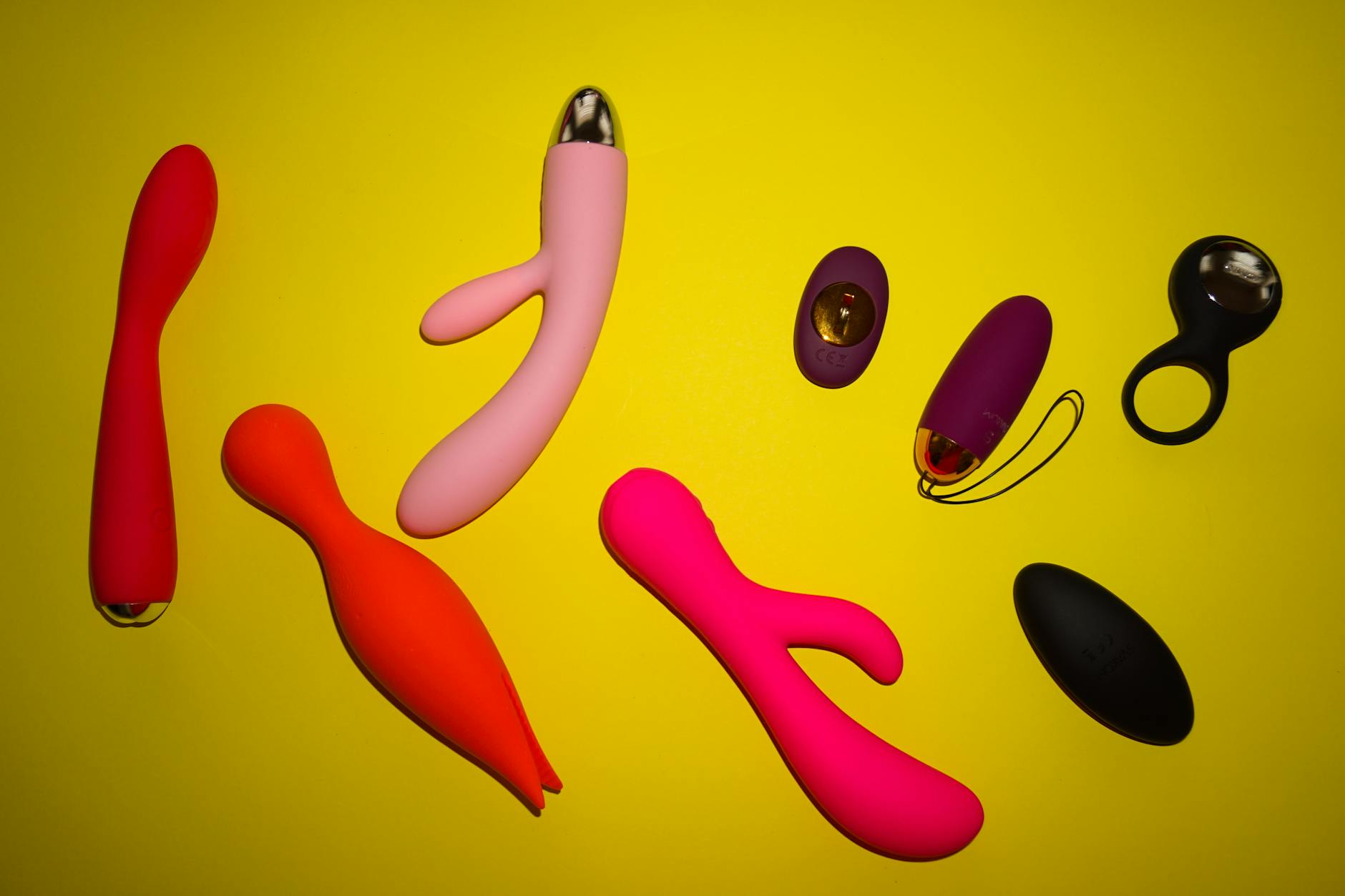
How to Use a Lemon Vibrator When You're in a Sexless Marriage
Sexlessness doesn't mean the end of desire. A lemon clitoral vibrator can help you reclaim your pleasure while rebuilding the conversation with your partner.
A sexless marriage isn't about losing love. It's about losing the conversation. Physical intimacy drops off, months pass, and somehow talking about it becomes harder than the silence itself. You end up managing the absence instead of addressing it.
Here's what I see in my practice: one partner (often the person with a vulva) stops initiating, then stops expecting, then stops feeling desire altogether because desire requires permission. A lemon clitoral vibrator won't fix a broken dynamic, but it can do something more important. It can help you feel like yourself again while you rebuild the actual conversation.
When physical intimacy disappears, so does a major channel of self-knowledge. You lose touch with your own arousal, your body's signals, your capacity for sensation. That's not small. Reconnecting with your pleasure isn't an escape from the relationship problem. It's actually the prerequisite for fixing it.
Using a lemon vibrator solo gives you three things: First, you reclaim a sense of agency over your own body. Second, you remember what arousal feels like, which makes it easier to communicate what you need. Third, you arrive at the relationship conversation from a place of fullness instead of depletion.
I recommend this to almost every client in a sexless marriage before they try to renegotiate anything with their partner.
The first time you use a lemon vibrator after months or years without physical pleasure can feel vulnerable. That's normal. Here's what helps: Set a time when you have actual privacy and won't be interrupted. Not the five minutes before your partner gets home. An evening or morning when you can be present without bracing for footsteps.
Start at a lower intensity. The Lemon Clit Sucker works through gentle suction, which means it doesn't require the same kind of mental permission that more direct stimulation does. You might notice your body responding before your brain catches up. Let it. Arousal isn't something you have to earn or justify.
Expect the first few times to feel strange. Not bad, just unfamiliar. If you haven't been sexually active with a partner in a while, your body might need a few sessions to remember what sensation feels like. Give it that grace. Three to four solo sessions before you decide anything.
One of two things usually happens. Some people rediscover that desire was there the whole time, just dormant. Others realize that desire for their partner specifically has been buried under resentment or hurt. Neither outcome is bad. Both are information.
If it's the first one: you now know your body isn't broken. That knowledge is powerful. It shifts the conversation from "I can't" to "I will, but we need to talk about why we stopped."
If it's the second one: you've just uncovered something that needed air anyway. A sexless marriage often masks other disconnections. Physical intimacy is usually the symptom, not the disease.
Don't lead with the vibrator. Lead with desire. "I've realized I miss physical closeness with you, and I want to figure out what happened between us." That's the real conversation. The lemon vibrator is just the tool that helped you get there with honesty instead of anger.
If your partner asks what prompted this, you can be direct: "I started paying attention to my own pleasure again, and it made me realize how much I miss that with you." That's true, and it doesn't require oversharing every detail of your solo practice.
Some partners will be relieved. Some will feel threatened. If they feel threatened, that's actually data about what's been going on. A healthy partner wants you to feel good, solo or partnered. That doesn't mean they have to be interested in participating in the vibrator use. It means they understand that your pleasure matters.
If the conversation with your partner opens and intimacy starts rebuilding, the lemon vibrator can become a bridge tool. Some couples find that using it together, especially when one partner is recovering sexual confidence, takes the pressure off performance and builds comfort.
I've had clients tell me that introducing a clitoral vibrator was the thing that made partnered sex feel good again, specifically because it shifted focus from genital stimulation alone to pleasure. The partner could use it, or they could explore it together. The point is it stops being a solo consolation prize and becomes part of a shared language around pleasure.
Sometimes you name the problem and your partner still isn't interested in rebuilding. That's hard, and it's real. In those cases, continuing your solo practice matters even more. Your pleasure is one of the only things you still control. It's also one of the clearest sources of information about what you actually want.
A lemon clitoral vibrator gives you a way to stay connected to your own body and your own needs while you figure out what comes next. Whether that's couples therapy, a conversation about opening the marriage, or eventual separation, you deserve to feel good in your own skin.
Honestly: using a vibrator while married sometimes feels like betrayal. That feeling comes from the deep cultural story that your sexuality belongs to your partner, which isn't true. Your pleasure is yours. A lemon vibrator isn't you cheating on your marriage. It's you refusing to abandon yourself while waiting for your partner to show up.
The couples I've worked with who recovered from sexlessness almost always started with someone saying, "I need my own pleasure back first, and then I want to figure out how we get here together." That's not selfish. That's the foundation every healthy partnership needs.
There's no timeline. Some couples reconnect after a single honest conversation and weeks of rebuilding. Others need months or therapy. The variable isn't time. It's whether both partners are willing to acknowledge the problem and do the work. If only one person wants to fix it, the timeline stretches indefinitely. My role as a therapist is to help couples figure out if they're both willing, not to push them toward a particular outcome.
No. Your partner doesn't own your body or your right to pleasure. A lemon vibrator is a tool for your own sensation, like a massage or a hot bath. The only way it becomes a relationship issue is if you're using it as a permanent replacement for the actual conversation you need to have with your partner. Use it to feel good. Use honesty to rebuild connection.
That's a sign that the real issue isn't the vibrator. It's that your partner has rigid beliefs about what your sexuality should be and who controls it. That's worth exploring in therapy, ideally couples therapy. Anger at your solo pleasure isn't about the tool. It's about control. That's a separate problem that won't be solved by hiding the vibrator.
Yes, but not directly. A vibrator improves partnered sex because you know your own body better, you communicate more clearly about what feels good, and you've already broken the shame around pleasure. You're not asking your partner to guess. You're bringing information. That changes everything.
That depends on your relationship style. Some couples benefit from transparency from the start. Others need you to rebuild confidence solo first. I generally recommend starting privately, reclaiming your pleasure, and then bringing it into the conversation naturally. You're not hiding. You're gathering information about yourself before you ask your partner to help.
That's fine. Boundaries around your pleasure are not rejection of your partner. You can say, "I need a few weeks to remember what this feels like alone first, and then I'd like to explore it with you." A partner who respects that boundary is someone worth rebuilding with. A partner who pushes is showing you something important about how they view your autonomy.
A lemon vibrator won't rebuild your marriage. Honesty will. But reclaiming your pleasure gives you the clarity and courage to have that honesty. You matter. Your body matters. Your desire matters, whether or not your partner is ready to meet you there right now. Start there. Everything else follows.
If you're feeling stuck about how to open this conversation, reach out. That's what I'm here for.