How Lemon Vibrators Improve Sensation When You Have Pelvic Floor Dysfunction
Pelvic floor tightness numbs pleasure. Here's exactly how lemon clitoral vibrators wake up sensation again, plus the settings and timing that actually work.
Pelvic floor dysfunction makes pleasure feel muted or unreachable. Not because your body is broken, but because the muscles meant to relax are locked tight, which deadens sensation at the exact spot where you feel the most. The tighter those muscles grip, the less signal reaches your brain. It's like turning down the volume on pleasure without touching the actual device.
Here's the thing that changes everything: gentle, consistent vibration is one of the most effective ways to wake up a dysregulated pelvic floor. Not aggressive stimulation. Not punishment. Gentle. And that's where lemon vibrators become a real tool for recovery, not just something fun.
I'm going to walk you through exactly how to use them, which settings matter most, and why your body might respond differently than it did before.
Your pelvic floor is a hammock of muscle that supports your organs and plays a huge role in sexual response. When it's tight and tense—which happens from stress, trauma, childbirth, prolonged sitting, or sometimes just habit—two things occur.
First, the muscles stay partially contracted all the time. This means they never fully relax to feel that deeper, fuller sensation that comes from blood flow and muscular engagement. It's like clenching your fist for hours and then wondering why your hand feels numb. Second, tightness compresses the nerves that carry pleasure signals to your brain. The vibration is there, but the message gets bottlenecked before it reaches you.
Most people assume they've lost sensation permanently. They haven't. The pathway is just congested.
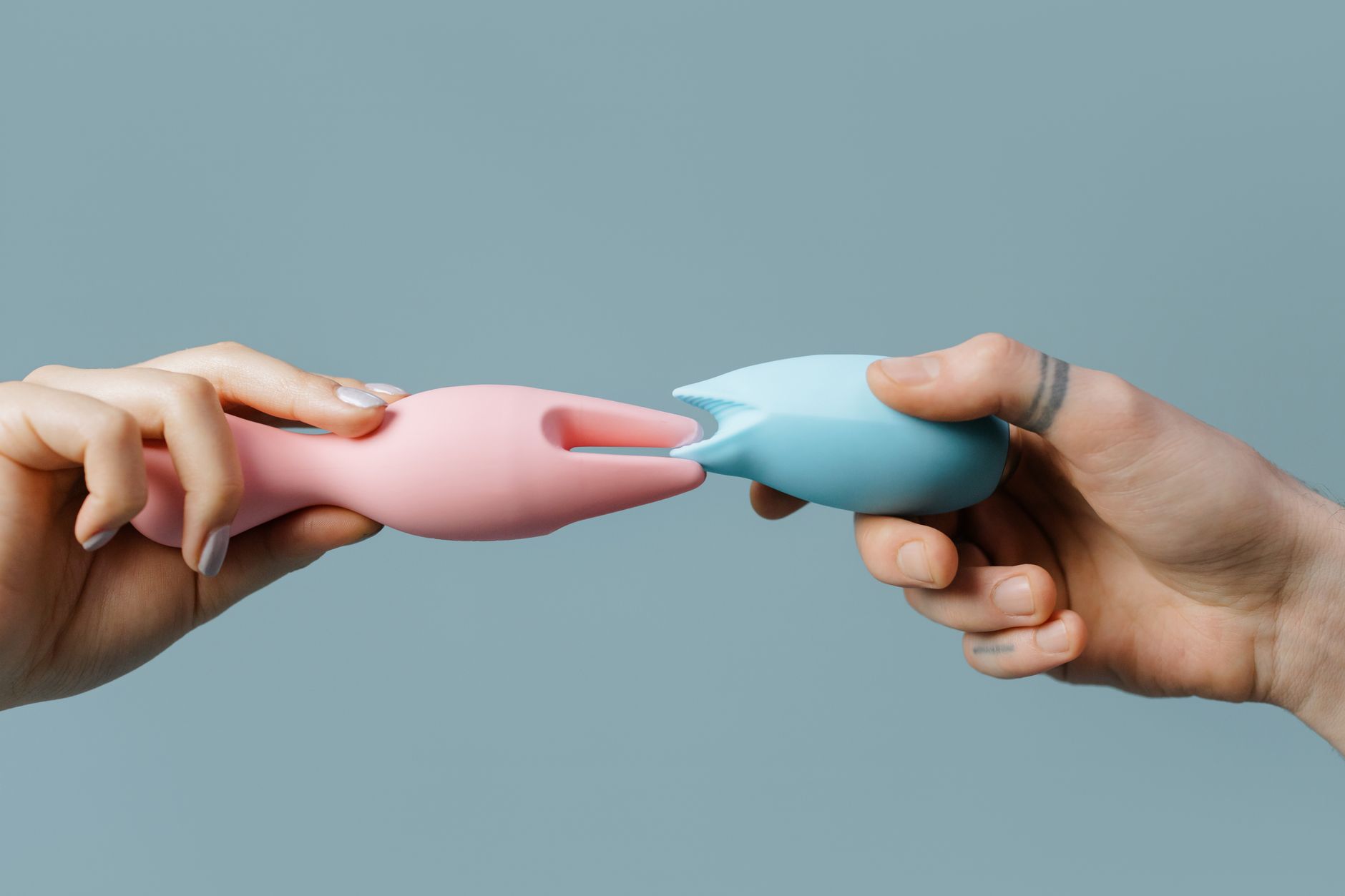
The Lemon Clit Sucker uses suction combined with gentle pulsing. That matters specifically because suction operates differently than direct vibration alone. Instead of friction against already-tight tissue, suction gently draws the clitoris forward, which creates a micro-release in the surrounding muscles. That release is what your pelvic floor needs.
When you use a basic vibrator on dysregulated muscles, you're often just stimulating on top of tension. With a lemon clitoral vibrator, the suction actually helps relax what's contracted. It's not fighting against your body's tightness. It's inviting it to let go.
Second, suction creates more surface contact without pressure. People with pelvic floor dysfunction often find direct clitoral stimulation painful or too intense. Suction spreads the sensation across a wider area, which means you get full pleasure signal without the sharp, uncomfortable feeling.
You can't use a lemon vibrator effectively if your pelvic floor is actively clenched. So the first step is actually not about the toy. It's about setup.
Lie on your back, knees bent, feet flat. Your lower back should be completely neutral, not arched. Take three full, long breaths where you exhale longer than you inhale. This activates your parasympathetic nervous system and tells your body it's safe to relax. Then, on each exhale, imagine the pelvic floor muscles softening downward, like an elevator slowly descending. Don't force it. Just visualize it.
Wait a full two minutes before you even pick up the device. Seriously. This pause is where the actual healing begins, because you're teaching your body that pleasure doesn't require tension.
The Lemon Clit Sucker has multiple patterns. If you have pelvic floor dysfunction, here's the hierarchy that works.
Start with Pattern 1 or 2. These are the gentlest, most consistent pulses. You're not looking for intensity. You're looking for consistency that teaches your nervous system to trust the sensation and relax into it. Spend at least five to ten minutes at this level, even if you feel like you want more.
If Pattern 1 feels too subtle after a few sessions, move to Pattern 3. Still gentle, but with a slightly more noticeable rhythm. Avoid jumping to Patterns 5 and above until your pelvic floor has genuinely relaxed. Many people with dysfunction feel the urge to escalate stimulation because they're chasing sensation. That urge is often the pelvic floor tightening again in response to intensity. Resist it.
The goal isn't orgasm on Day 1. The goal is nervous system recalibration. Many of my clients report that they don't orgasm the first five to ten times they use the device. That's not failure. That's exactly right. You're retraining your body to receive pleasure without defending against it.
During use, breathe slowly and consistently. When you feel tension rising, that's your pelvic floor re-engaging. Pause the device, take three deep breaths, and resume. This on-off pattern is actually therapeutic. You're practicing relaxation under stimulation, which is the exact skill your pelvic floor needs.
Use the lemon vibrator for no longer than fifteen to twenty minutes per session. Longer isn't better. In fact, longer can fatigue your already-tight muscles. Three times a week is the sweet spot. This gives your nervous system time to integrate what happened and respond positively.
Between sessions, do gentle pelvic floor stretches like child's pose or deep pigeon pose. These counteract the habitual clenching and reinforce the relaxation you're teaching during vibrator use.
Pelvic floor dysfunction isn't just physical. The tightness often carries emotional charge. Many people with tight pelvic floors have a history of bracing against unwanted touch, or learned early that their body wasn't safe. The brain created that muscle tension as protection.
When you use a lemon clitoral vibrator gently and consistently, you're sending a signal to your nervous system that touch can be safe and pleasurable. The Lemon Clit Sucker's gentle suction is particularly good for this because it doesn't feel invasive. It feels inviting. Over time, the tightness isn't just a muscle problem anymore. It becomes a trust problem that your body can actually start to resolve.
If you experience sharp pain during any vibrator use, stop immediately. Pelvic floor dysfunction exists on a spectrum. Some people have mild tightness. Others have severe dysfunction that requires physical therapy first. If pain persists beyond the first two to three sessions, see a pelvic floor physical therapist before continuing on your own.
Also, if you notice numbness increasing instead of decreasing over two weeks of consistent use, that's a sign your nervous system is overwhelmed. Pull back to once a week, use only Pattern 1, and consider working with a therapist alongside the physical component.
Week one to two: You might feel almost nothing, or feel sensation but struggle to relax into it. This is normal.
Week three to four: The muted, distant feeling starts to sharpen. You notice you can relax slightly deeper. Small wins.
Week five to six: Pleasure starts to register as actual pleasure, not just stimulus. Your brain is decoding the signals again.
Week eight and beyond: Many people report that orgasms become possible again, or feel entirely new. The sensation is fuller because your pelvic floor is actually participating instead of defending.
Every body is different. Some people see change in three weeks. Others need three months. The timeline matters less than the direction. If you're trending toward more sensation and easier relaxation, you're on the right path.
Yes, but with careful attention to intensity. Start with the gentlest setting and use for no more than five minutes. If pain worsens, stop. Pain is a signal that your nervous system isn't ready for stimulation yet. Work with a pelvic floor physical therapist in parallel. They can assess your specific dysfunction and tell you when vibrator use becomes helpful versus harmful.
Most people notice subtle shifts in two to three weeks of consistent use. More noticeable improvement often takes six to eight weeks. Pelvic floor retraining is slow because you're retraining your nervous system, not just exercising a muscle. Patience is part of the protocol.
Absolutely. They work together. Physical therapy teaches your pelvic floor muscles how to relax and coordinate. Vibrator use, specifically with suction, reinforces that relaxation and creates pleasure association with the relaxed state. Many physical therapists recommend adding gentle vibrator use once the initial acute tightness has started to release.
Medication can affect pelvic floor tone and sensation. Some medications increase tightness, others numb sensation. If you're on SSRIs or other medications, start with the gentlest settings and be patient. Your timeline might be longer. The lemon vibrator is still helpful, but your nervous system is working with multiple overlapping factors. Check in with your prescriber about how your specific medication affects sexual sensation.
Yes, but it often requires different conditions than before. Orgasm with pelvic floor dysfunction is usually possible only when the pelvic floor is genuinely relaxed, which takes time and the right kind of stimulation. Many people find that once they recover sensation using a lemon clitoral vibrator, orgasms become possible again. Be patient with the timeline.
For this specific issue, yes. Suction-based stimulation relaxes and engages the pelvic floor differently than vibration alone. You're getting the benefit of gentle rhythm without direct friction. That said, everyone's body responds differently. Some people prefer the Lemon Clit Sucker, others find they need variety. Trust your own experience over anyone's recommendation, including mine.
Pelvic floor dysfunction is fixable. It's not permanent. It's not a sign that pleasure is behind you. It's a signal that your body learned to protect itself and now needs patience and consistency to unlearn that protection. A lemon clitoral vibrator is one tool that can help you send that signal of safety, create new neural pathways, and rebuild sensation that feels like it vanished. If you're struggling with this, you're not alone, and recovery is real.
Ready to explore your options? Contact us to discuss what might work best for your situation.